Scenario Simulation: Defeating Agricultural Weed Drift in Eastern PA
A hypothetical look at how our proven approach would help a local homeowner reclaim their lawn from aggressive farm weeds blowing in from neighboring agricultural fields.
The Challenge: Living Next to Farmland
Living next to the beautiful agricultural fields of Eastern Pennsylvania offers stunning views, but it also presents a unique challenge for homeowners: agricultural weed drift.
Imagine a homeowner in the Oley Valley reaching out to us, frustrated. Despite mowing regularly and watering, their lawn is constantly being overtaken by aggressive weeds like Canada Thistle, Crabgrass, and Foxtail. The culprit? Millions of weed seeds blowing in from the adjacent corn and soybean fields every season.
Hypothetical Property Profile
- Location: Oley Valley, Berks County
- Property Size: 1.5 acres
- Primary Issue: Severe agricultural weed encroachment
- Soil Type: Heavy clay, compacted
Our Approach: The Golden Green Strategy
We know a standard "spray and pray" approach wouldn't work here. The weed pressure is too high. We would need a comprehensive strategy to build a defensive barrier while simultaneously strengthening the turf to choke out invaders naturally.
Step 1: Aggressive Pre-Emergent Barriers
The first line of defense against wind-blown seeds is stopping them before they sprout. We would apply a heavy split-application of premium pre-emergent herbicide in early spring, perfectly timed with the local soil temperatures reaching 55 degrees.
Step 2: Targeted Post-Emergent Control
For the deep-rooted perennial weeds that are already established, we would use a specialized, broadleaf weed control blend. Because we are locally owned and operated, we know exactly which formulations work best on the specific, tough weeds found in the Lehigh and Berks county agricultural zones.
Step 3: Thickening the Turf (The Ultimate Defense)
Weeds look for bare soil and thin grass to take root. By implementing our 6-Step Fertilization Program, combined with core aeration and overseeding in the fall using Sunny's Seed Mix, we would create a dense, thick canopy of turf. A thick lawn is the best natural weed deterrent.
Projected Results: A Lawn to Be Proud Of
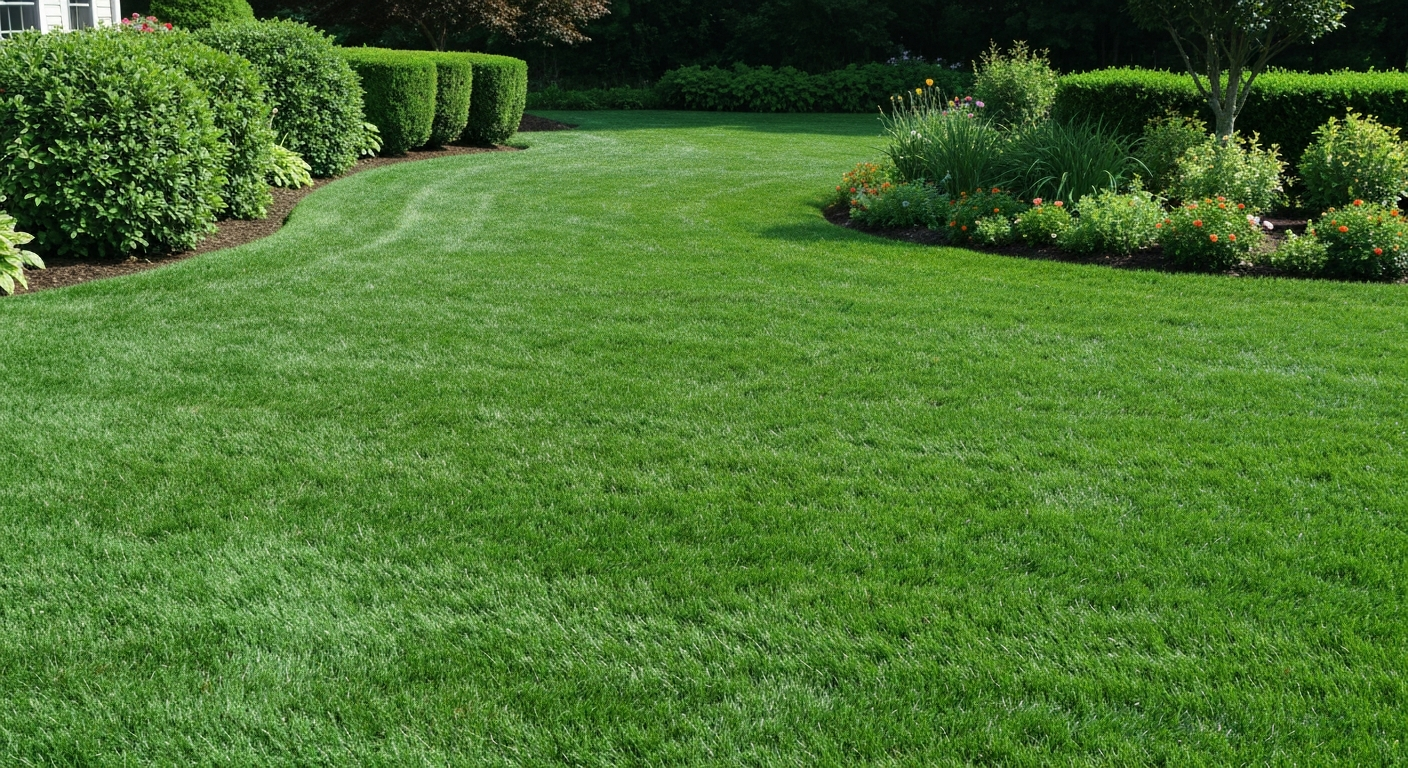
Within one full season, the transformation would be remarkable. The aggressive agricultural weeds would be pushed back to the property line, and the homeowner's lawn would become a lush, barefoot-friendly oasis.
Starting Point (April)
- ✗ 40% weed coverage
- ✗ Thin, pale grass
- ✗ Hard, compacted soil
Projected Outcome (September)
- Less than 2% weed presence
- Deep, dark green color
- Thick, resilient turf
Share this article
Tired of Fighting Farm Weeds?
If your property borders agricultural fields or open land, you don't have to surrender your lawn to weeds. With the right local expertise and a proactive plan, you can have a beautiful yard — just like the scenario above.
Ready for your own lawn transformation?
Get a free, custom estimate for your property today.
GET MY FREE ESTIMATERelated Articles
The Honest Truth About Getting a Green Lawn
What a healthy lawn really requires, why grass variety matters, and how Sunny Seed Mix supports long-term improvement.
Read Article
Why Sunny Seed Mix Makes a Better Summer Lawn
Discover why grass variety matters during Pennsylvania summers and how Sunny Seed Mix produces stronger turf.
Read Article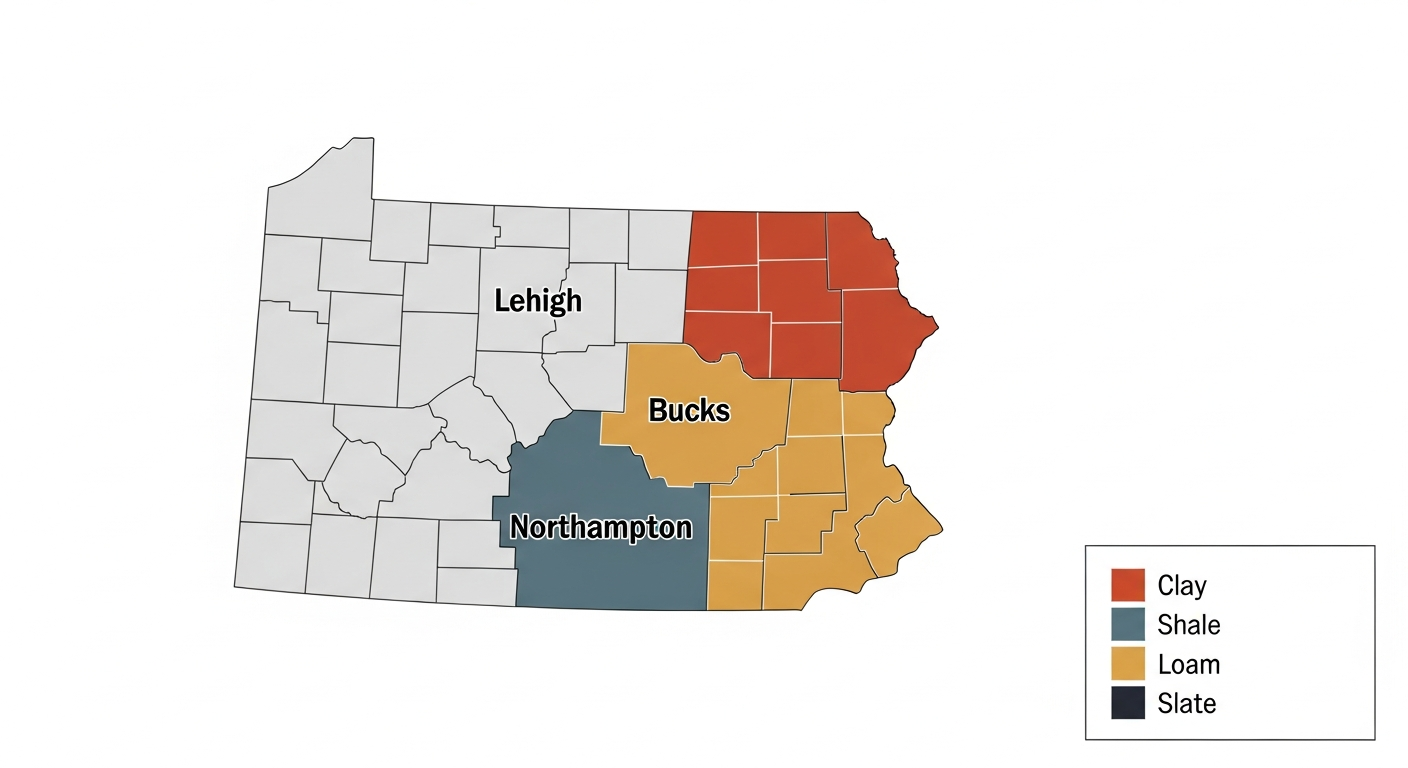
The Eastern PA Soil Map
How soil composition across Lehigh, Berks, Bucks, and Northampton counties affects your lawn's health.
Read ArticleGolden Green Lawn Care Services