When to Fertilize Lawns in PA: A Seasonal Timing Guide
Fertilizing at the wrong time is one of the most common mistakes Pennsylvania homeowners make. Apply too early and you waste nutrients. Apply too late and your lawn misses its window for root development. Here's how to get the timing right.
This article is part of our Lawn Care Services in Lehigh Valley, PA series. For the full overview of what your lawn needs throughout the year, start with that guide.
Why Timing Matters More Than Product
Pennsylvania lawns are dominated by cool-season grasses — Kentucky bluegrass, turf-type tall fescue, and perennial ryegrass. These grasses grow most actively during the moderate temperatures of spring and fall, and slow down during summer heat.
Fertilizer applied when the grass isn't actively growing can leach away, contribute to runoff, or even promote disease. The key is to feed the lawn when it can actually use the nutrients.
The Pennsylvania Fertilization Calendar
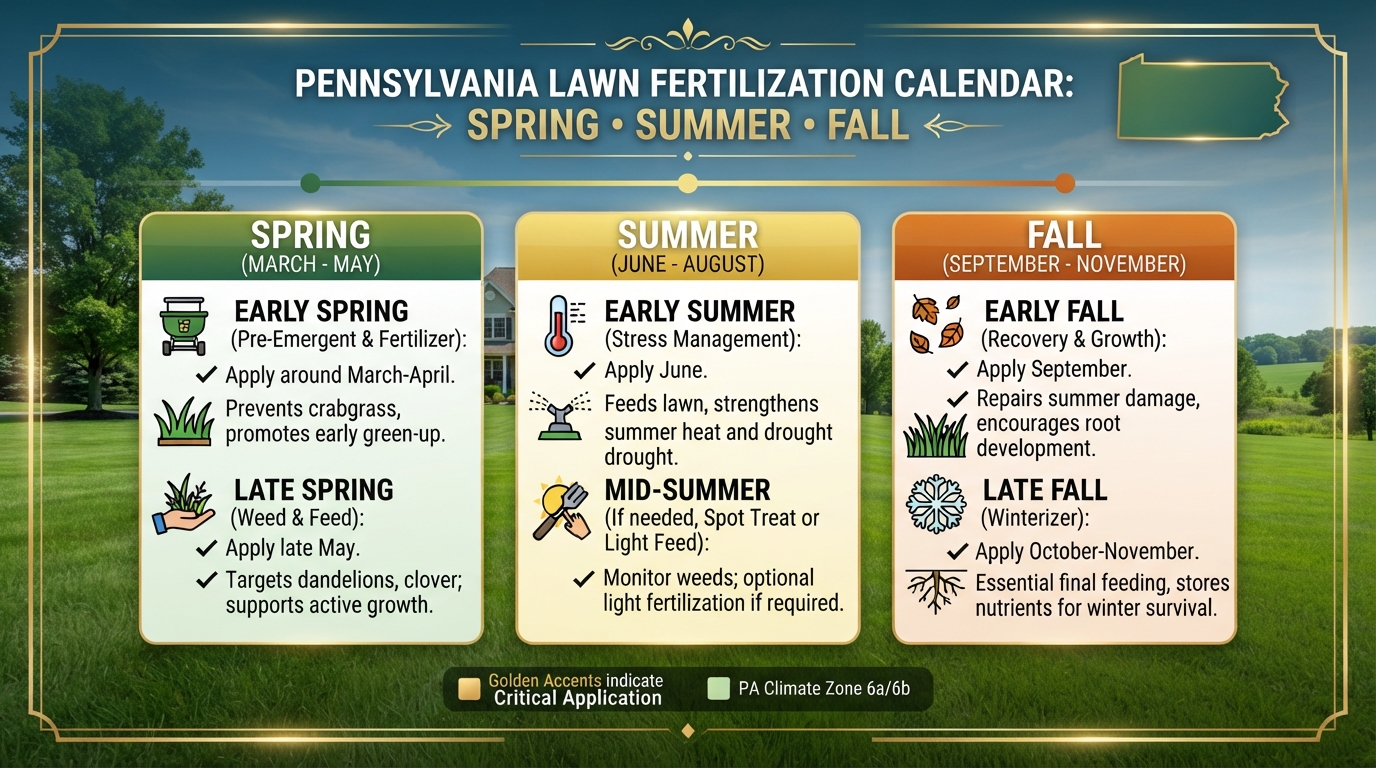
Early Spring (March–April)
The growing season begins. Apply a balanced fertilizer to encourage healthy green-up without pushing excessive top growth. This is also the time for pre-emergent crabgrass control.
Late Spring (May–June)
Strengthen the turf before summer heat arrives. This application supports root health and helps the lawn resist summer stress. Broadleaf weed control is often applied during this window.
Summer (June–August)
Use caution. Heavy nitrogen applications during hot weather can stress the lawn and increase disease risk. Light, slow-release feeding helps maintain root health without forcing vulnerable growth.
Early Fall (September)
This is the single most important fertilization of the year. Cool temperatures return, but the soil is still warm. Grass recovers from summer stress, develops deeper roots, and stores energy for winter.
Late Fall (October–November)
A final winterizing application stores nutrients in the root system, supporting earlier and stronger green-up the following spring. This is also when a lime application may be beneficial if soil testing indicates acidic conditions.
The Fall Fertilization Advantage
If you could only fertilize once per year, early fall would be the best time. Here's why:
- Soil is still warm from summer, promoting active root growth
- Cooler air temperatures reduce heat stress on new growth
- Nitrogen is directed toward root development and energy storage
- Weed pressure is lower than in spring
- The lawn builds reserves for winter survival and spring green-up
Signs You're Fertilizing at the Wrong Time
- Rapid growth followed by decline — Too much quick-release nitrogen in spring
- Summer disease pressure — Over-fertilizing during hot, humid weather
- Pale color despite fertilization — Soil pH may be off; consider a soil test
- Excessive mowing — Heavy spring nitrogen pushes top growth at the expense of roots
Soil Temperature vs. Calendar Date
Calendar dates are a starting point, but soil temperature is a more reliable indicator. Cool-season grasses begin active growth when soil temperatures reach the upper 40s to low 50s°F. A south-facing lawn in Allentown may green up weeks before a shaded property in the same zip code.
Never Miss a Fertilization Window
Golden Green's 6-Step Lawn Care Program handles the timing for you. We apply the right products at the right time, so your lawn gets exactly what it needs throughout the growing season.
Golden Green — Your Lawn's Best Friend.
Related Articles
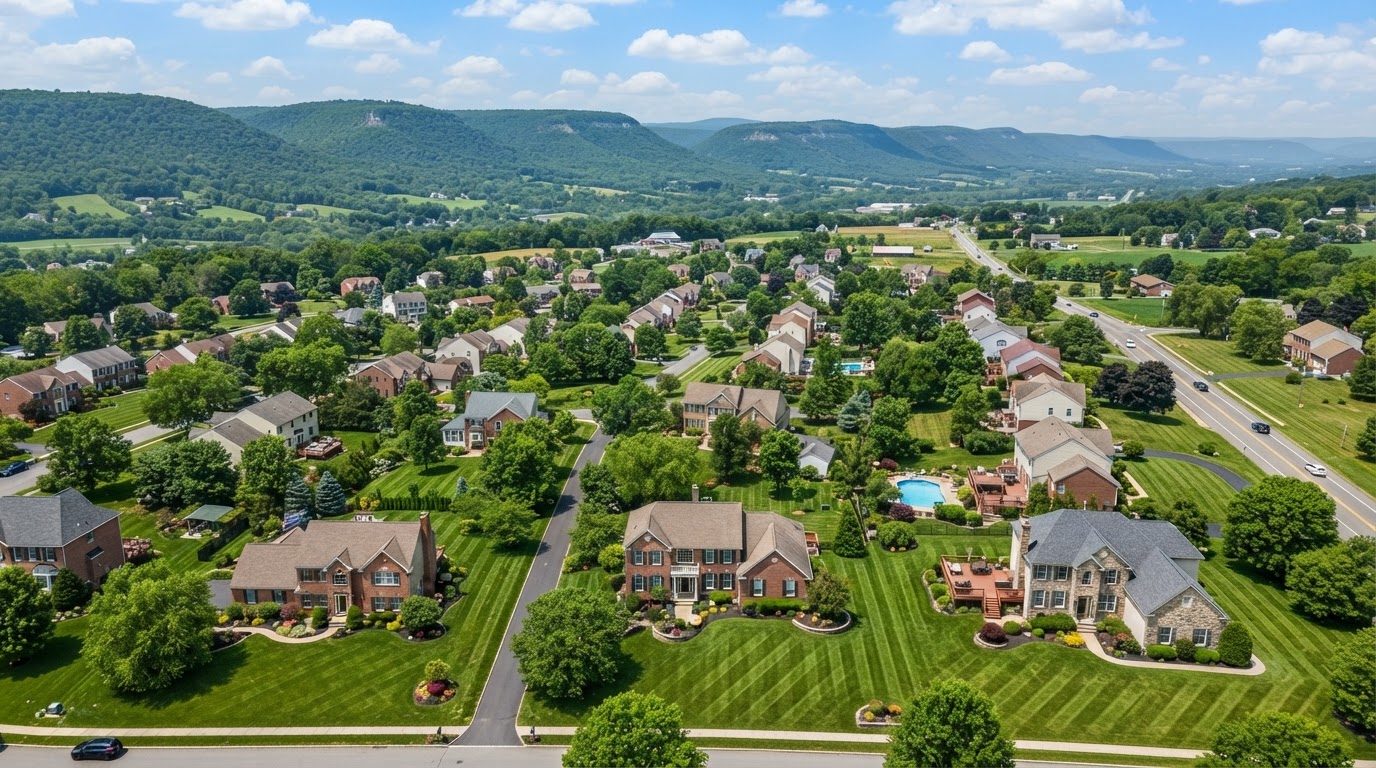
Lawn Care Services in Lehigh Valley, PA: Complete Homeowner's Guide
Looking for lawn care services in Lehigh Valley, PA? Learn about fertilization, weed control, aeration, overseeding, grub control, lime and seasonal lawn care.
Read Article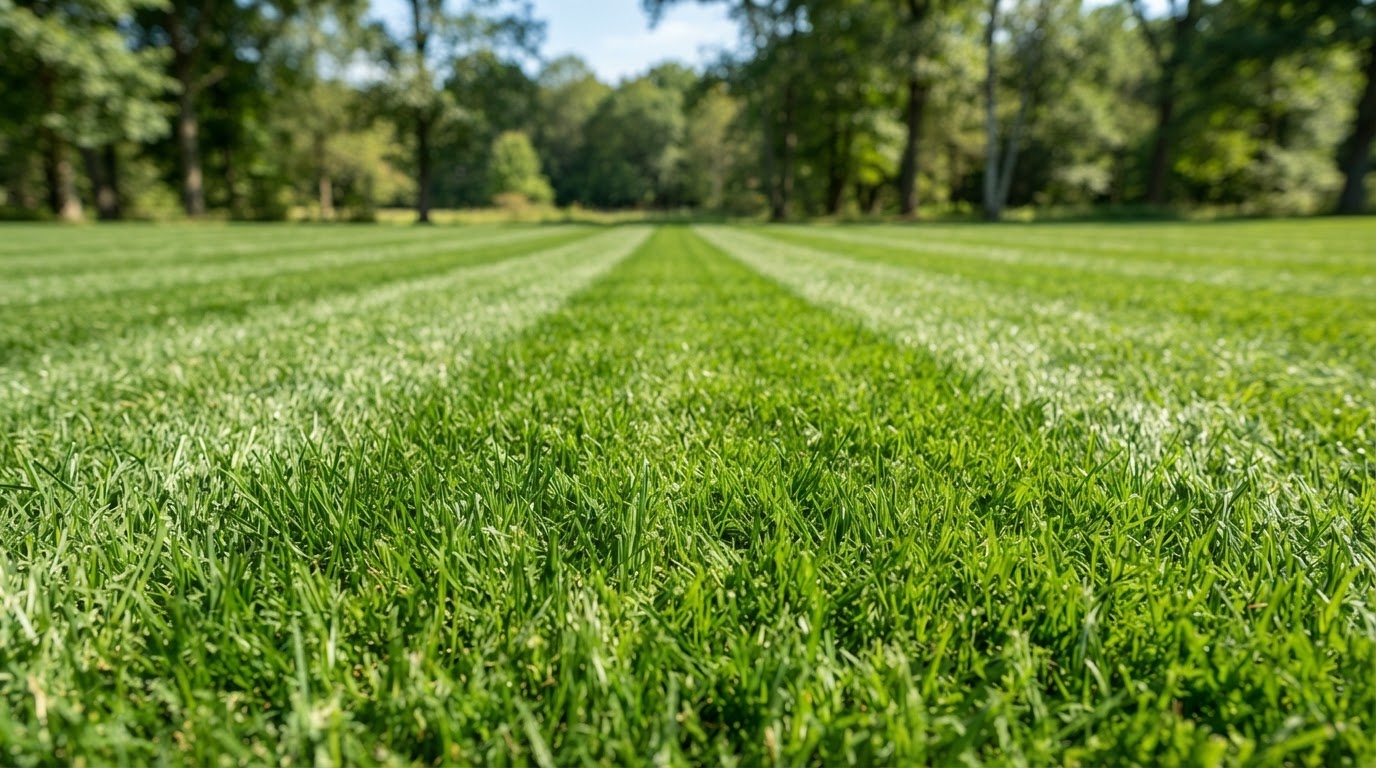
Best Lawn Fertilizer in Pennsylvania: What Works for PA Lawns
Discover the best lawn fertilizer for Pennsylvania lawns. Learn about NPK ratios, slow-release vs quick-release, organic-based options, and seasonal fertilization strategies.
Read Article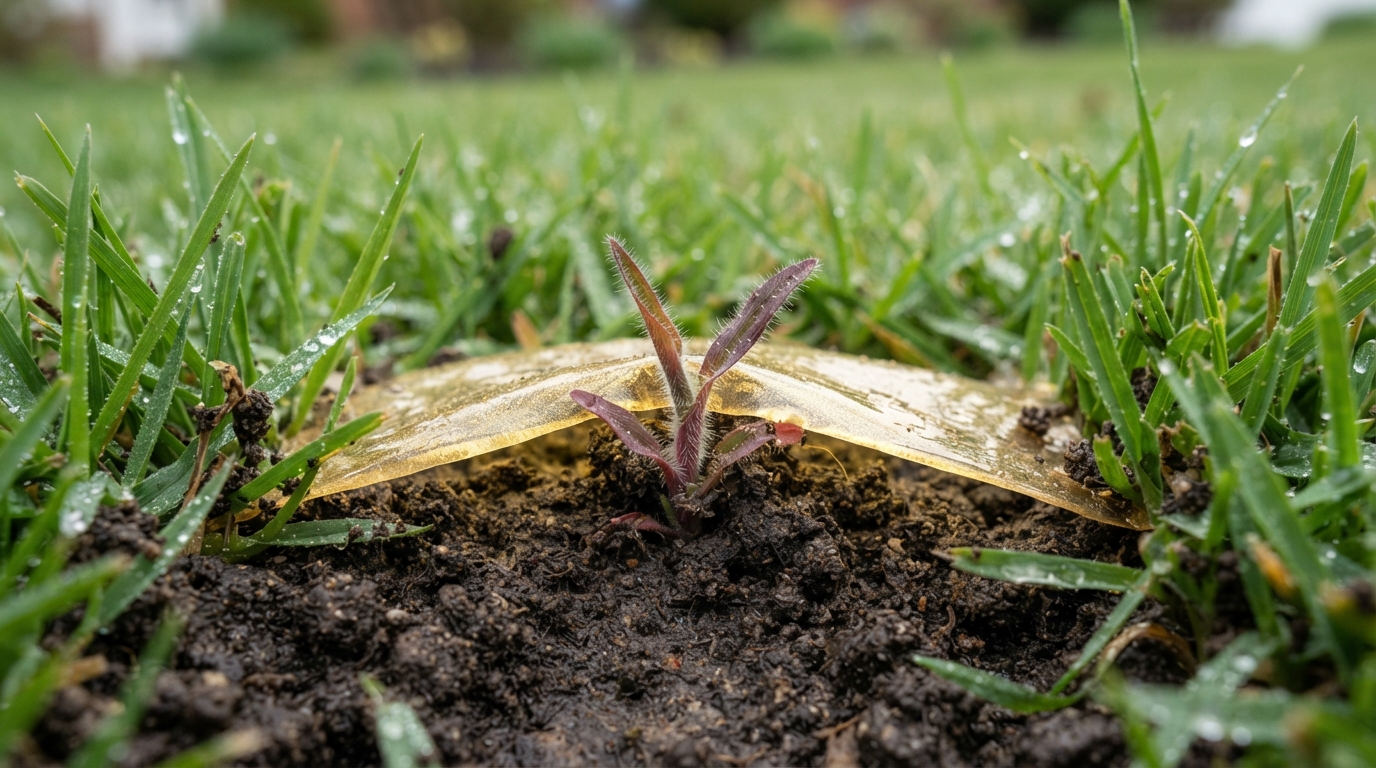
When to Apply Crabgrass Preventer in PA: Timing Guide
Learn when to apply crabgrass preventer in Pennsylvania, how soil temperature drives timing, and why missing the window means fighting crabgrass all summer.
Read ArticleGolden Green Lawn Care Services