Many homeowners spray them in the spring or summer using a general weed killer and become frustrated when the weeds come right back. The truth is that timing and product selection make all the difference.
Why Are These Weeds So Difficult to Kill?
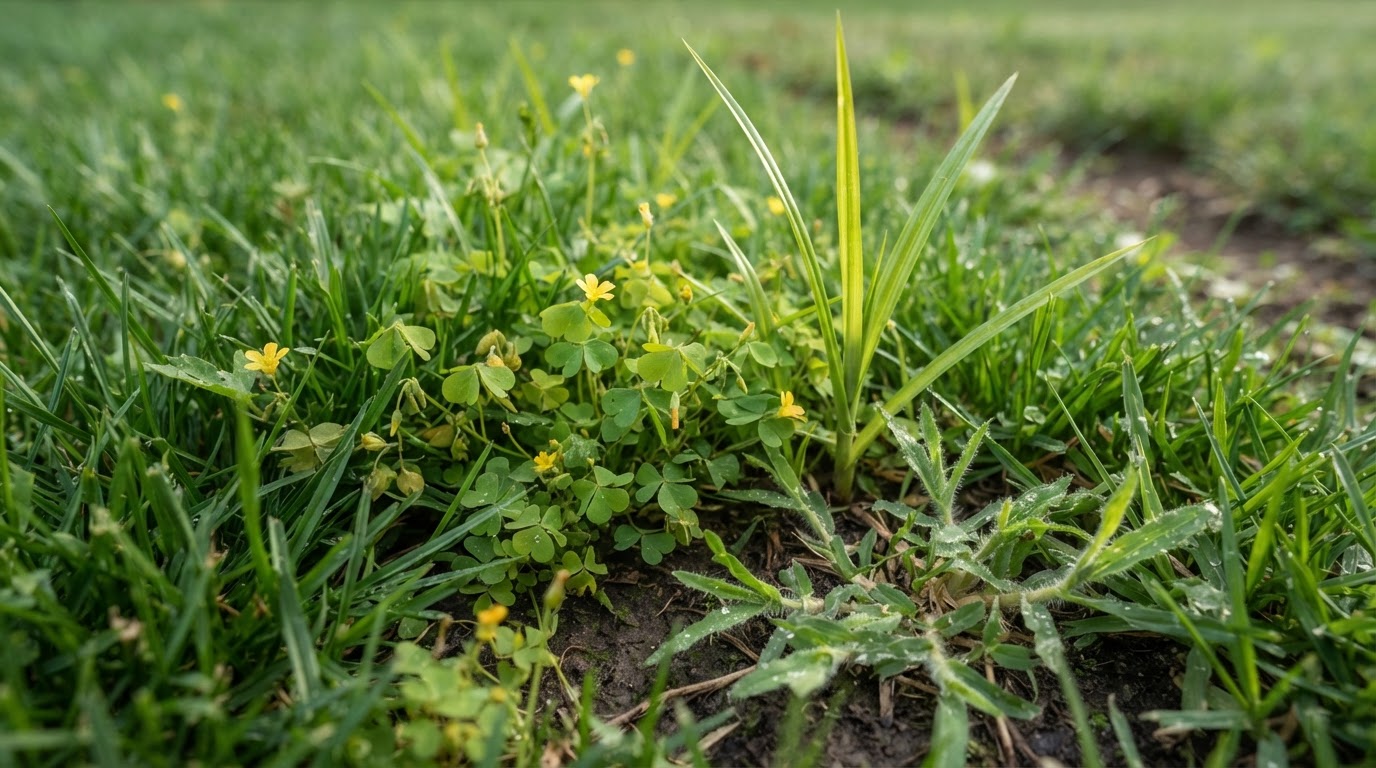
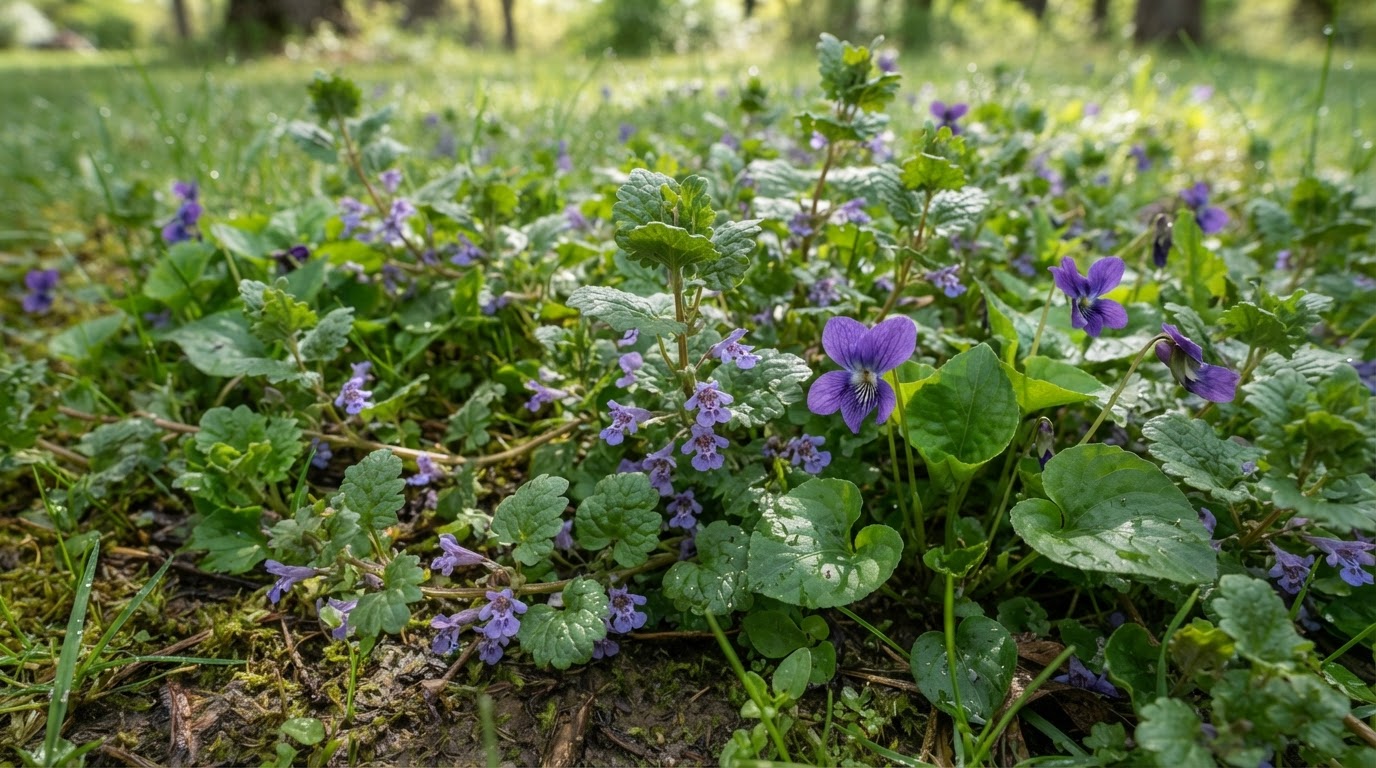
Creeping Charlie, Ground Ivy, and Wild Violets aren't ordinary broadleaf weeds like dandelions or clover. These weeds have several characteristics that make them difficult to control:
- Thick, waxy leaves that repel many herbicides.
- Extensive underground stems and root systems that allow them to spread rapidly.
- They store energy in their roots, allowing them to survive many treatments.
- They grow aggressively in thin, shaded, or weakened lawns.
Because of this, many "weed and feed" products or standard broadleaf herbicides simply don't provide long-term control.
The Best Time to Spray Creeping Charlie
One of the biggest mistakes homeowners make is spraying at the wrong time.
Late Fall (Best Time)
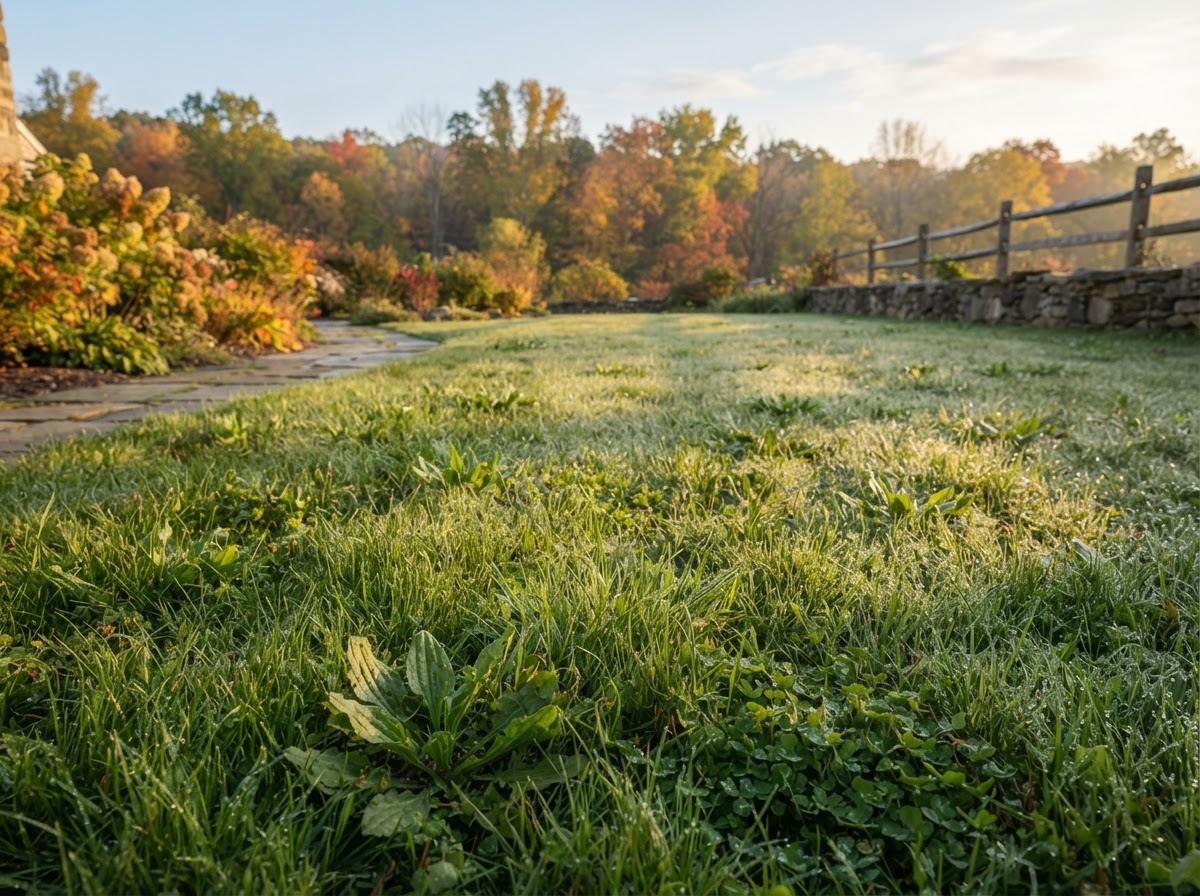
Fall can offer a useful treatment window while the target weeds remain responsive and conditions meet the product label. As temperatures cool, Creeping Charlie and Wild Violets begin moving carbohydrates from their leaves down into their roots to prepare for winter, which can support product movement into the root system. Frost alone is not a reason to spray; assess the foliage, weather, turf condition, and treatment restrictions before proceeding.
Early Spring (Second Best Time)
A second excellent opportunity is early spring, while temperatures are still cool and the weeds are actively growing before summer heat arrives. Many professional lawn care companies perform a follow-up treatment during this window to further weaken the weed population.
Why a Surfactant Matters
Professional lawn care companies often add a non-ionic surfactant to the herbicide mixture. A surfactant acts like a "sticker" that helps the herbicide spread across and cling to the waxy leaf surface instead of beading up and rolling off.
Because Creeping Charlie and Wild Violets have naturally slick, waxy leaves, using a surfactant allows more herbicide to penetrate the leaf surface, increasing the effectiveness of the treatment. Without proper coverage, much of the herbicide never reaches the inside of the plant.
Not All Weed Killers Are Created Equal
Most store-bought broadleaf weed control products are designed to control common weeds such as:
- Dandelions
- Clover
- Plantain
- Chickweed
Hard-to-control weeds like Creeping Charlie and Wild Violets often require specialized herbicide combinations selected for these tougher species. Professional lawn care companies understand which products work best, how to mix them properly, and when to apply them for the greatest success.
The Secret: Build a Thick Lawn
Killing the weeds is only half the battle. Once the weeds begin dying, you'll want to fill those bare areas with healthy grass before new weeds move in. That's why we strongly recommend:
A dense, healthy lawn naturally crowds out weeds by blocking sunlight and competing for water and nutrients. The thicker your lawn becomes, the fewer opportunities weeds have to return.
Be Patient
These are some of the toughest weeds found in Pennsylvania lawns. While no responsible lawn care company can guarantee complete elimination after one treatment, we've seen excellent results by following this proven approach:
- 1Apply a specialty herbicide with a surfactant in late fall while the target weeds remain responsive and conditions meet the product label.
- 2Follow with another treatment in early spring while temperatures remain cool.
- 3Aerate and overseed to thicken the lawn.
- 4Maintain proper mowing height and a healthy fertilization program.
Over time, this combination can dramatically reduce Creeping Charlie, Ground Ivy, and Wild Violets while producing a thicker, healthier lawn.
Let Golden Green Help
At Golden Green, we understand that controlling hard-to-kill weeds isn't about spraying more product — it's about using the right product at the right time. Our lawn care specialists evaluate each property individually and recommend treatment plans designed to improve lawn health while targeting stubborn weeds that ordinary weed control often misses.
If you're tired of fighting Creeping Charlie, Ground Ivy, or Wild Violets year after year, we'd be happy to provide a free lawn evaluation and help you build a healthier, greener lawn.
Golden Green — Your Lawn's Best Friend.