Contents
Diagnosing Lawn Damage
Fertilizer Burn or Lawn Disease? Why the Diagnosis Matters
Your lawn was treated. Now you see brown areas.
It is understandable to connect those two events. But timing alone does not establish what caused the damage.
Fertilizer injury, lawn disease, moisture stress, insects, and mowing damage can produce symptoms that look similar from a distance. More than one problem can affect the same lawn.
The right response starts with an inspection and a review of what happened—not an immediate guess.
What Can the Damage Pattern Tell Us?
The pattern can help direct an investigation. It cannot settle every diagnosis.
Straight streaks, repeated stripes, or injury near turning areas
May help: Application overlap, uneven distribution, equipment traffic, or mowing patterns
Does not prove: That fertilizer definitely caused the injury
Symptoms appearing after a treatment
May help: Whether the timing fits the product, application, weather, and turf condition
Does not prove: That the most recent treatment caused every brown area
Granules concentrated in an affected spot
May help: A possible spill or uneven distribution
Does not prove: The product identity or application rate
Circular patches or more diffuse browning
May help: Disease, moisture stress, and other causes requiring closer inspection
Does not prove: Which disease is present—or whether disease is the cause
Similar symptoms in untreated areas
May help: Weather, soil, turf, mowing, or pest factors affecting the wider property
Does not prove: That application injury can be ruled out everywhere else
For example, Penn State Extension describes brown patch as a disease that can produce circular patches or more diffuse blighting. On tall fescue, individual leaves may have tan lesions with darker borders. Those details are more informative than the color of the lawn alone. Read Penn State's brown patch identification guidance.
"Too Much Fertilizer" and "Disease" Are Not Always Separate Explanations
A lawn may have an application problem, a disease problem, or several stresses occurring together.
Excess nitrogen can also increase the severity of some diseases under favorable conditions. Penn State notes that brown patch can be more severe on lush, irrigated turf receiving high nitrogen levels during conducive summer weather.
That does not mean every fertilized lawn with disease was overfertilized. It means the investigation should consider nutrition, weather, watering, turf species, and plant symptoms together.
What evidence supports each explanation, and what additional information would help distinguish them?
A diagnosis may change as evidence improves. The company should explain why.
What a Careful Investigation Should Include
A useful inspection combines the lawn's appearance with its recent history. That can include:
- ▸Dated photographs showing the whole affected area and individual grass plants.
- ▸When symptoms first appeared and whether they are spreading.
- ▸Product names, application rates, and the amount of material used.
- ▸The measured treatment area and any sections intentionally excluded.
- ▸Equipment settings and calibration records, where relevant.
- ▸Recent temperatures, rainfall, irrigation, and mowing.
- ▸The grass species and whether similar symptoms occur elsewhere.
- ▸Examination for insects, damaged roots, leaf lesions, and other diagnostic clues.
If the cause remains uncertain, a qualified turf specialist or diagnostic laboratory may help. Sampling should follow the receiving laboratory's instructions.
Does a Lawn-Care Program Include Disease Treatment?
Do not assume that it does.
Fertilizer supplies nutrients. Herbicides manage particular weeds. Fungicides address particular fungal diseases. They are different products with different purposes.
A routine fertilization and weed-control program does not necessarily include fungicide applications, diagnostic testing, or lawn repairs. Your written agreement should explain the scope and any separately priced services.
A brown area should not automatically receive fungicide. First determine whether a treatable disease is likely and whether an application would be useful.
What to Do If Brown Areas Appear After Treatment
Document the lawn and contact the company before adding another treatment.
- Take wide photographs of the affected areas and close-ups of the grass.
- Record when you first noticed the change.
- Save your treatment notification and service record.
- Note recent mowing, watering, rainfall, and unusual weather.
- Ask for the products and application rates used.
- Request an inspection and an explanation of the next step.
Avoid automatically adding more fertilizer, herbicide, or fungicide. Also avoid assuming that heavy watering is the correct response to every brown area. For related guidance, read about fertilizer timing and rain in Pennsylvania. The appropriate action depends on the suspected cause, product directions, drainage, and current soil moisture.
How Golden Green Investigates Competing Explanations
At Golden Green, our goal is to investigate before reaching a conclusion. That means reviewing the service history, examining the pattern, considering other explanations, and communicating what the evidence supports.
Sometimes the cause is clear. Sometimes further inspection, monitoring, or diagnostic assistance is needed. In either case, the customer should know what happens next and who is handling it.
Photographs, dates, and service records from the affected area.
Products, rates, treatment area, and recent weather and mowing.
Examine the pattern and individual plants on the lawn.
Share what the evidence supports and what remains uncertain.
Discuss monitoring, correction, or diagnostic assistance as needed.
A planning aid—not an automatic clearance or a guaranteed timeline.
If an application error is confirmed, the discussion should move to an appropriate corrective plan. Review the Golden Green Guarantee and ask how it applies to the situation.
Will the Grass Recover?
Recovery depends on the cause and severity of the injury, the condition of the surviving plants, and the growing conditions afterward.
Discolored leaves do not always mean the entire plant has died. Some affected turf can recover. Areas where plants have died may need repair or reseeding after the underlying problem is addressed.
An inspection should distinguish between grass that needs time to recover and areas that need a repair plan. A guaranteed recovery date based only on a photograph would be misleading.
Questions Homeowners Often Ask
Can someone tell fertilizer burn from disease just by looking?+
Sometimes the pattern and plant symptoms provide strong clues. Other cases require application records, closer examination, or laboratory support. A photograph alone may not establish the cause.
Does damage after treatment prove that the company caused it?+
No. It makes the treatment history relevant to the investigation. Timing should be evaluated alongside the damage pattern, products, rates, weather, and other possible causes.
Should I apply fungicide just in case?+
Not automatically. A fungicide will not correct fertilizer injury, drought stress, or every other cause of brown grass. Identify the likely problem before choosing another product.
What should I ask if I receive conflicting explanations?+
Ask what each diagnosis is based on, what remains uncertain, and how the company plans to resolve that uncertainty. Request a clear follow-up plan.
Start With the Evidence
Not every brown lawn was burned by fertilizer. Not every damaged lawn has a disease. Homeowners deserve an explanation grounded in the lawn's condition, treatment history, and supporting evidence.
What the pattern can tell us · Not always separate · A careful investigation · Does the program include disease treatment? · What to do after treatment · How Golden Green investigates · Will the grass recover? · FAQ
Helpful lawn care advice for Pennsylvania homeowners
If this guide helped you, add Golden Green as a Preferred Source on Google to see more of our lawn care guides in Google Search and AI experiences.
Related Articles
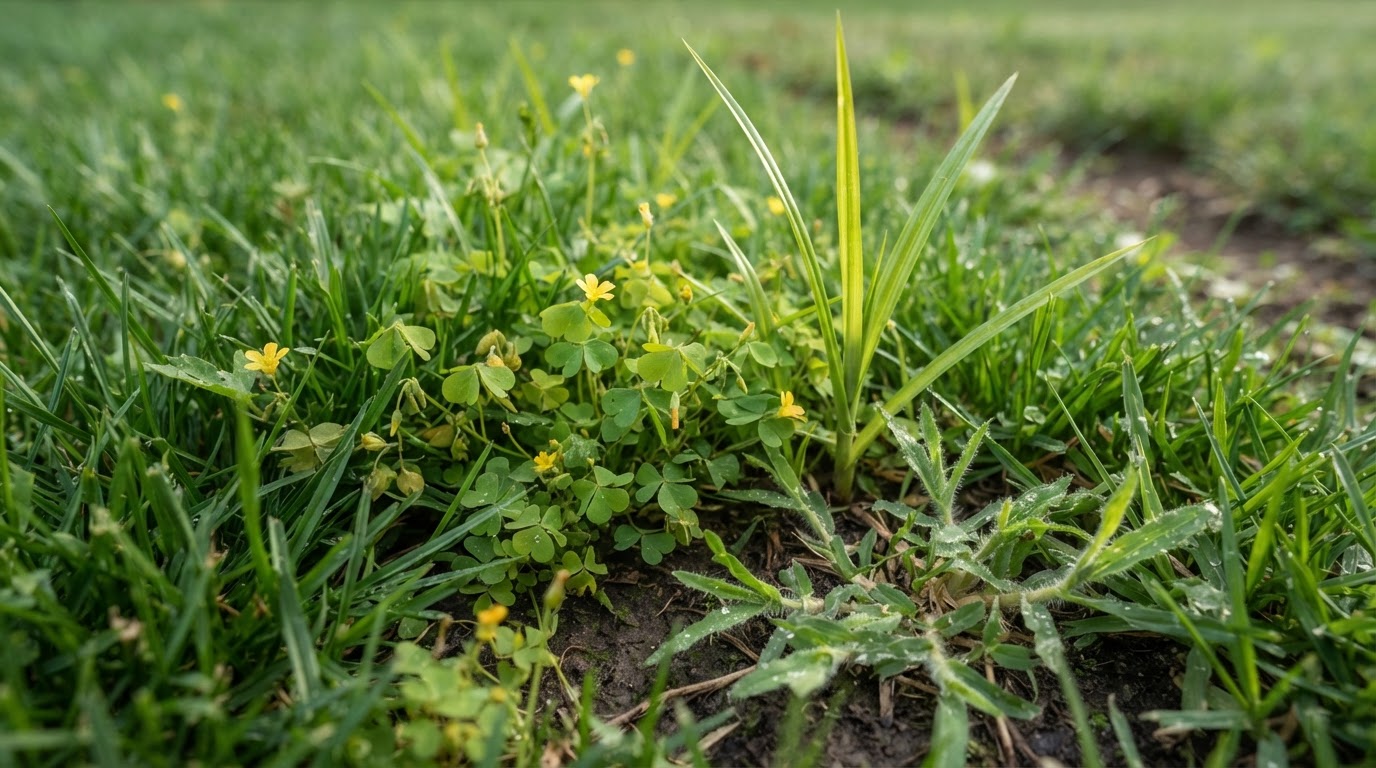
Why Are Weeds Still Spreading After Lawn Treatment?
Weeds still growing after treatment? Learn how weed identification, treatment timing, soil moisture, and lawn thickness influence results.
Read Article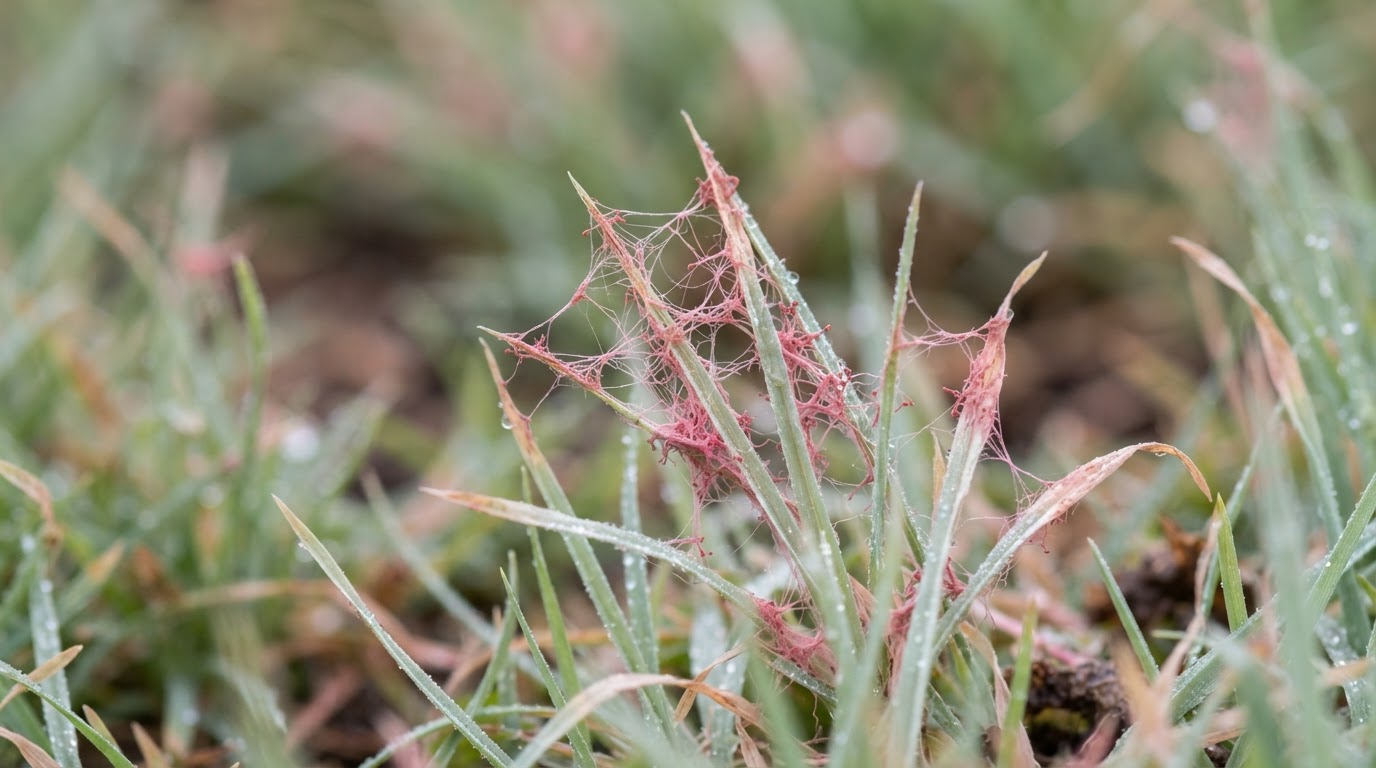
Why Does My Lawn Have Pink or Red Patches? Red Thread Disease in Pennsylvania Lawns
Pink or red patches in your Pennsylvania lawn? Professional insight on red thread, why fungicide often isn't needed, and how to help grass recover.
Read Article
What Should a New Customer Expect From Their First Golden Green Lawn Treatment?
New to Golden Green? Learn how to prepare for your first lawn treatment, what happens during the visit, and how to follow the right aftercare instructions.
Read ArticleGolden Green Lawn Care Services