Crabgrass Already Came Up? Here's What to Do Next in Pennsylvania Lawns
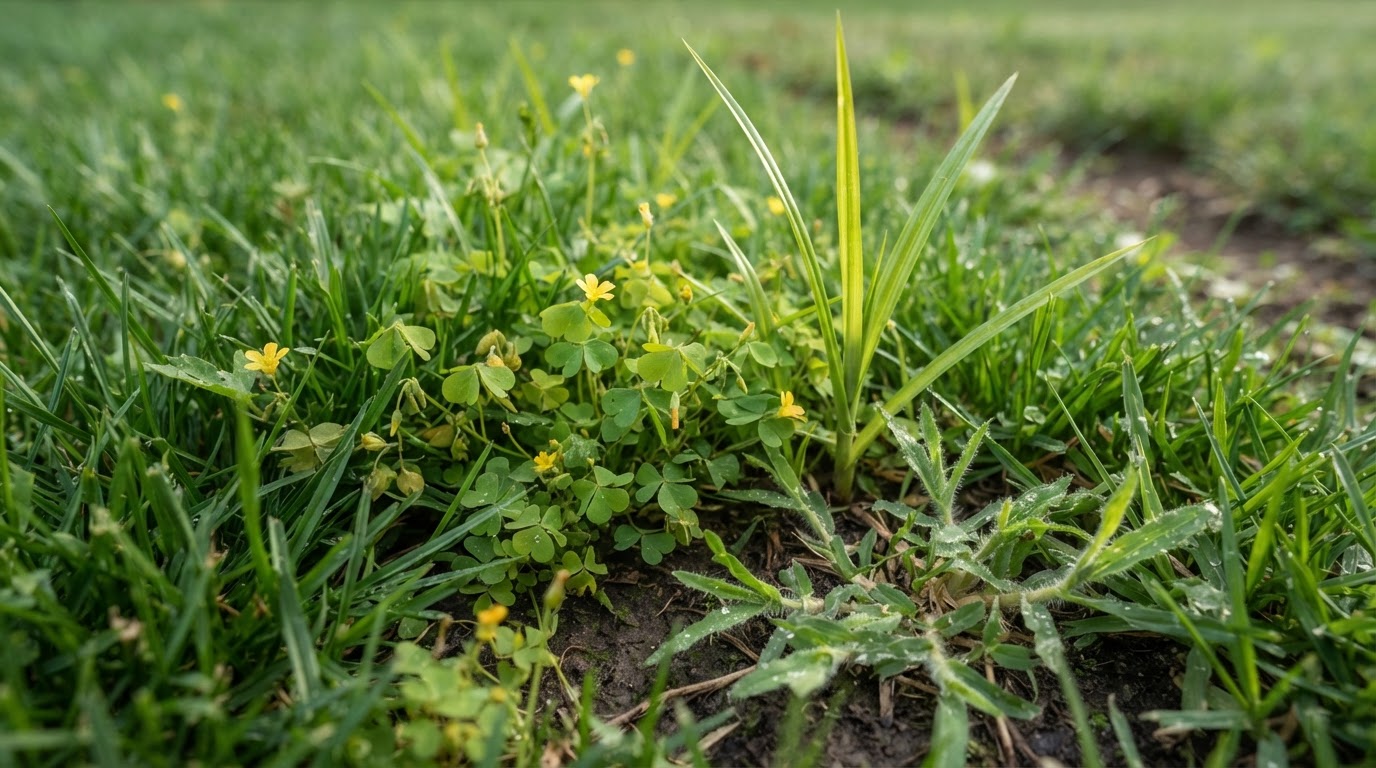
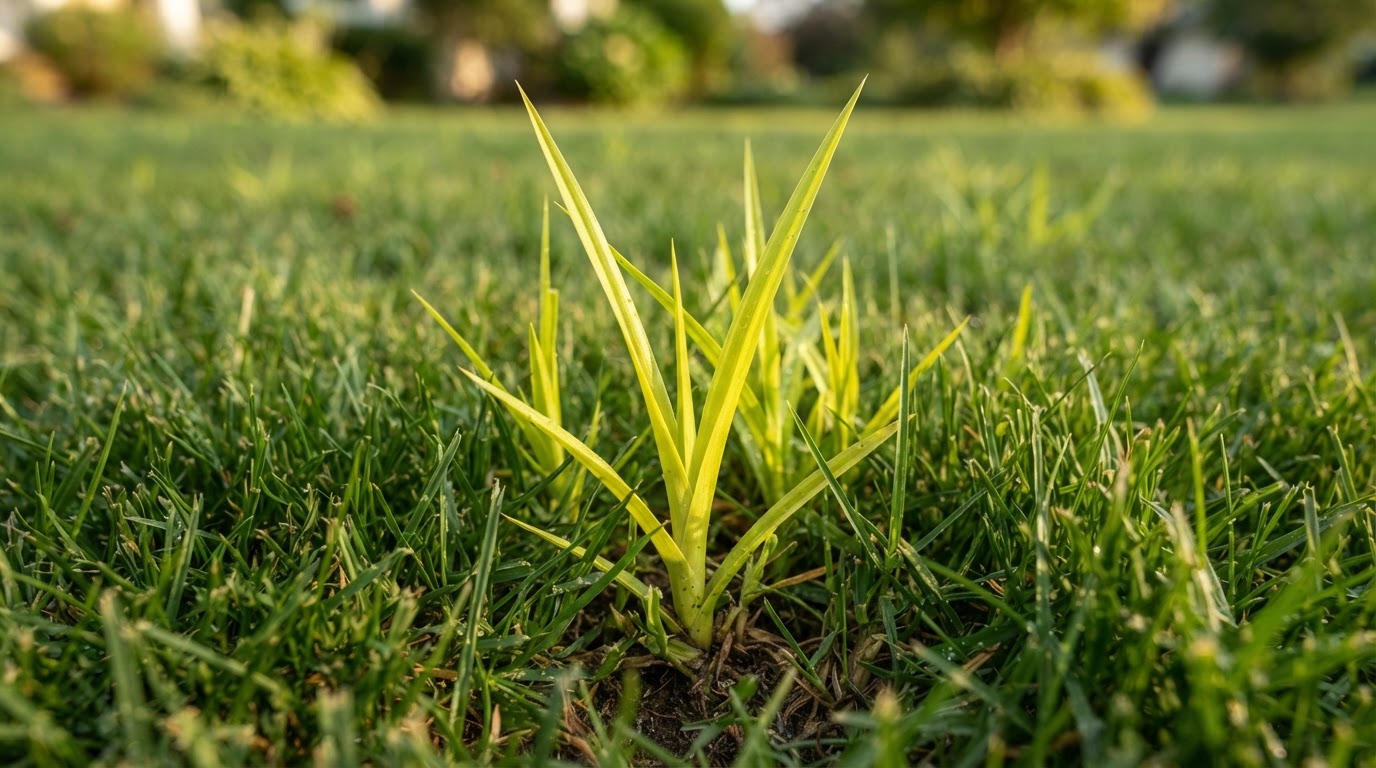
If crabgrass is already visible in your lawn, you are no longer in the prevention phase. You are in the postemergence control phase.
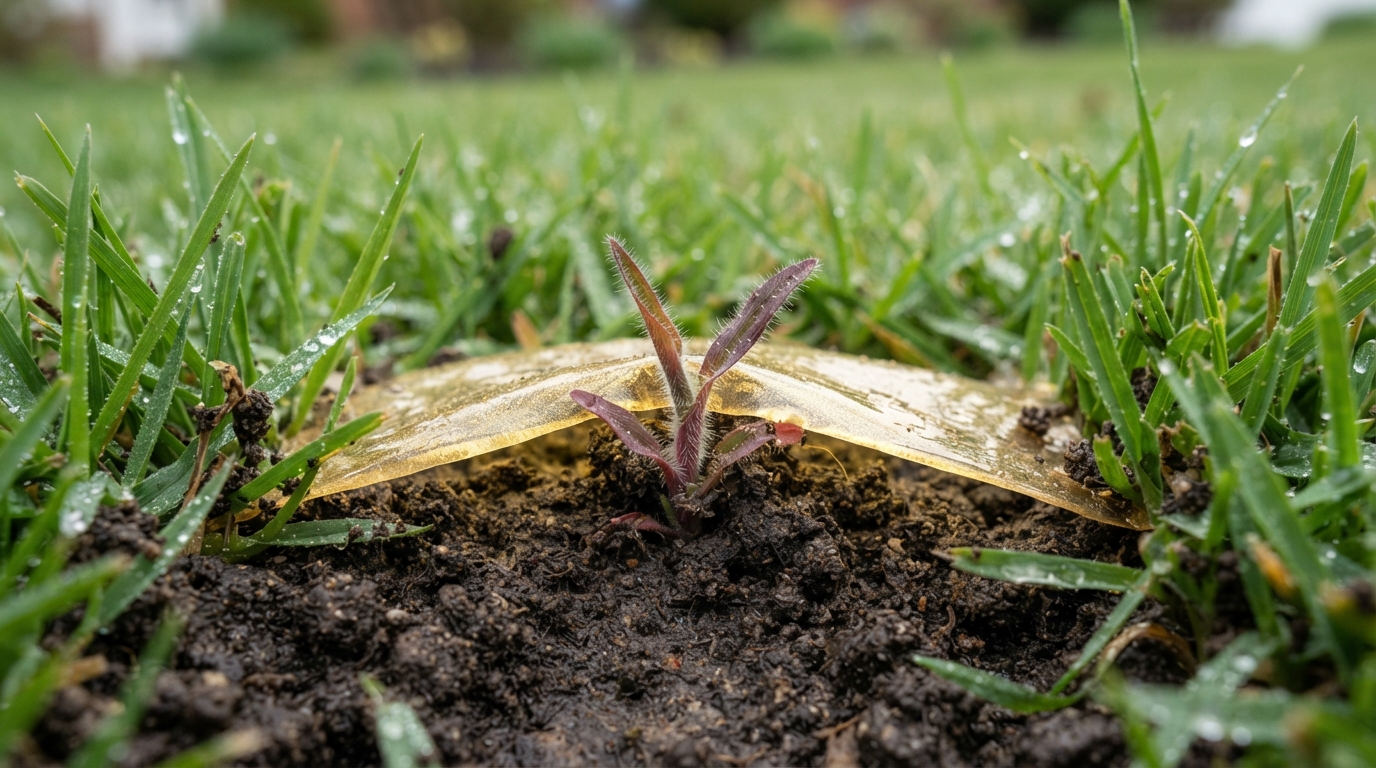
That means the goal changes. At this point, the question is not, "How do I stop germination?" The question is, "How do I control the plants that are already here — and keep the lawn from losing more ground?"
In Pennsylvania, postemergence control can work well, but timing, weed stage, turf type, and product choice matter a lot. Some products work best on newly emerged grassy weeds. Some can handle more mature plants. And even the best spray will not fully solve the bigger issue if the lawn stays thin, stressed, and open.
At Golden Green, we believe crabgrass control gets clearer when homeowners understand one simple truth:
A crabgrass problem is often both a herbicide problem and a lawn-quality problem.
A Field Guide for Homeowners: What Kind of Crabgrass Situation Do You Have?
Instead of using the same blog format, let's walk through this like a practical field guide.
Situation 1: "I'm seeing small young grassy weeds just starting"
This is the best postemergence window.
When summer annual grasses like crabgrass, goosegrass, foxtail, or barnyardgrass are still small, control is usually easier and cleaner.
This is where products like mesotrione (Tenacity), topramezone (Pylex), quinclorac, and fenoxaprop p-ethyl (Acclaim Extra) may fit, depending on the turf and the situation.
Situation 2: "The crabgrass is obvious now and has been growing for a while"
Control is still possible, but product choice becomes more important.
Some postemergence materials lose strength as grassy weeds tiller and mature. Others are better suited to more established annual grasses.
This is where quinclorac often becomes part of the conversation, because it can control newly emerged plants as well as more mature annual grasses.
Situation 3: "The lawn is full of crabgrass every year"
Now you are dealing with more than a spray choice.
If this keeps happening, the deeper issue is often:
- the lawn is too thin
- mowing is too low
- fertility is inconsistent
- the site is weak or stressed
- pre-emergent timing failed
- the turf is not dense enough to compete
This is where Golden Green starts talking not just about control, but about rebuilding turf strength.
What Counts as "Summer Annual Grasses" in Pennsylvania Lawns?
When homeowners say "crabgrass," they are often noticing one of several summer annual grassy weeds. Common ones in Pennsylvania include crabgrass, goosegrass, foxtail, and barnyardgrass.
These weeds germinate from spring into midsummer, then grow through summer and set seed from midsummer into fall.
That seed production is why one bad season can turn into another bad season. If they are left alone, they help create the next wave.
Why Postemergence Control Is Trickier Than Homeowners Think
Postemergence grassy weed control is not like spraying a simple broadleaf weed and moving on. For postemergence products to work well, a few things matter:
- the grasses must be visible
- the spray must cover them uniformly
- the stage of growth matters
- the label rate matters
- temperature and moisture matter
- the turf must be healthy enough to tolerate treatment
That is why a product that sounds "good for crabgrass" may work very differently depending on whether the plants are just emerging or already heavily tillered.
The Four Main Postemergence Options Homeowners Should Know About
1. Fenoxaprop p-ethyl (Acclaim Extra)
This is a postemergence grass herbicide that can control crabgrass, goosegrass, barnyardgrass, foxtails, Japanese stiltgrass, and panicum species.
Best fit:
It can control tillered annual grasses and may do so with one application in the right situation.
Important caution:
It is relatively safe on many cool-season grasses, but some Kentucky bluegrass cultivars may be injured, especially under high temperatures.
Golden Green takeaway:
This is a more specialized option that can be strong, but it is not something to use casually without understanding turf safety, heat conditions, and growth stage.
2. Mesotrione (Tenacity)
Tenacity is widely known because it creates the visible white bleaching effect on susceptible weeds. It is labeled for crabgrass, goosegrass, barnyardgrass, yellow foxtail, several broadleaf weeds, creeping bentgrass, nimblewill, and nutsedge.
Best fit:
It is especially useful for newly emerged crabgrass and is often part of conversations around new seedings of Kentucky bluegrass, perennial ryegrass, and tall fescue.
Important caution:
It should not be used in new stands of fine fescue.
What homeowners notice:
Weeds often turn white before they die. That can actually be helpful because the treatment effect is visible for 2 to 3 weeks.
Golden Green takeaway:
Tenacity is a very useful product in the right situation, especially when weeds are young, but it is not a cure-all for mature summer annual grasses.
3. Quinclorac
Quinclorac is one of the most important postemergence options for annual grassy weeds in turf. It is used for crabgrass, foxtail, barnyardgrass, and some broadleaf weeds.
Best fit:
It can control newly emerged weeds and also more mature annual grasses. That is a big deal because many homeowners do not catch crabgrass early.
Important note:
Under some conditions, control of plants in the 2-, 3-, or 4-tiller stage may still be inconsistent, so timing still matters.
Golden Green takeaway:
If a homeowner waits too long and the crabgrass is more developed, quinclorac often becomes one of the most important tools in the conversation.
4. Topramezone (Pylex)
Pylex is similar in some ways to Tenacity but has some important differences. It is labeled for crabgrass, goosegrass, barnyardgrass, foxtails, many broadleaf weeds, nimblewill, dallisgrass, and bermudagrass suppression/control in cool-season turf.
Best fit:
Like Tenacity, it works best when annual grasses have fewer than 4 tillers.
What homeowners notice:
It can also create whitening on susceptible weeds.
Golden Green takeaway:
Pylex is powerful in the right hands, especially when weed stage is still favorable, but it is also a product where label awareness and turf-type awareness matter.
What Most Homeowners Miss
Most homeowners think the weed itself is the entire problem. It usually is not. Crabgrass and other summer annual grasses are often symptoms of a lawn that is:
- too open
- too short
- too weak
- too stressed
- too poorly timed in spring
- not dense enough to shade the soil
That is why one of the best long-term crabgrass strategies is not just a spray. It is a stronger lawn. This is where Golden Green's philosophy matters. A premium lawn is not just treated when weeds appear. It is built to compete.
That means proper mowing heights, smart fertility, correct liming where needed, better seed quality, thicker turf, and better seasonal timing.
Why Postemergence Control Is Not the Same as Prevention
Pre-emergent control is like locking the door before the intruder walks in. Postemergence control is like dealing with the intruder after he is already in the house. That is why postemergence work matters, but it is not the ideal starting point every year.
If a lawn repeatedly needs heavy postemergence rescue, Golden Green starts asking bigger questions:
- Why did the pre-emergent fail?
- Was timing off?
- Was the lawn too thin?
- Is mowing height too low?
- Is the turf under stress?
- Does the lawn need fall improvement?
That is the kind of thinking that turns lawn care into lawn management.
What Golden Green Recommends in Pennsylvania
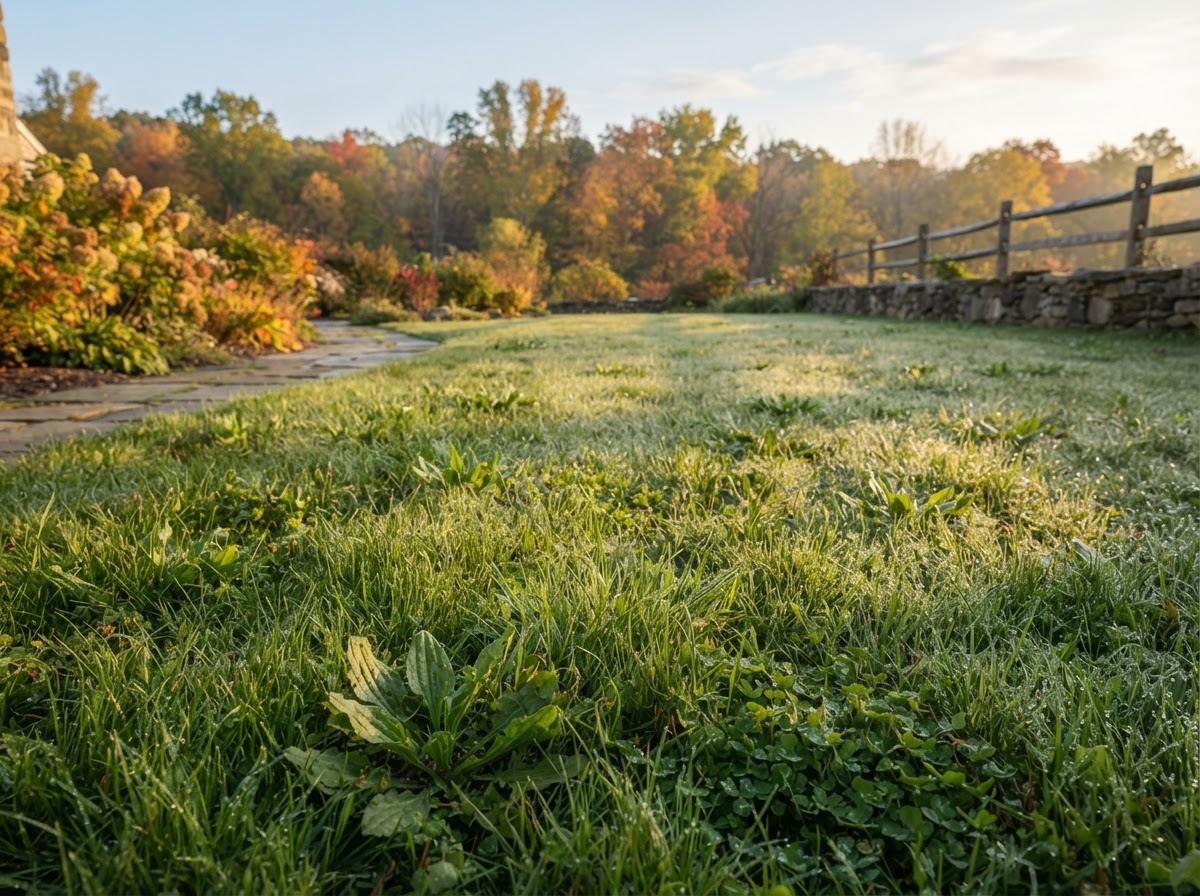
For Pennsylvania cool-season lawns, Golden Green's practical recommendation would usually look something like this:
If the annual grasses are visible and small: Treat promptly while stage is favorable.
If the plants are more mature: Choose a product strategy suited to more developed annual grasses and follow label instructions carefully.
If the lawn keeps getting invaded: Shift attention back to turf density and long-term competition.
That often means mowing higher, strengthening fertility appropriately, improving overall turf density, planning fall aeration and overseeding, and using better-adapted grasses for the site.
This is one reason Sunny Seed Mix matters. Better grass genetics help create a lawn that shades the soil better, competes harder, and leaves fewer openings for crabgrass the following year.
And when a homeowner invests in fall improvement, Sunny's Seed Promise reflects that Golden Green is not just trying to kill this year's weeds. We are trying to build next year's lawn.
What to Expect Over Time
This Season
You may see:
- visible grassy weeds whiten, decline, or die depending on product choice
- partial cleanup in infested areas
- clearer understanding of where the lawn is weakest
Next Season
If the lawn is strengthened and prevention improves, you may see:
- fewer breakthrough annual grasses
- stronger summer turf
- less need for rescue treatments
Over 1–3 Seasons
With proper mowing, fertility, fall overseeding, and better turf competition, the lawn can become:
- denser
- darker
- more resilient
- less open to summer annual grasses
That is the kind of result Golden Green wants. The Golden Guarantee fits here naturally. Good lawns are not built on vague hope. They are built on clear planning and consistent follow-through.
Frequently Asked Questions About Postemergence Crabgrass Control
Can you kill crabgrass after it comes up?
Yes. That is called postemergence control. Timing, weed stage, and product choice all matter.
What are the most common summer annual grasses in Pennsylvania lawns?
Crabgrass, goosegrass, foxtail, and barnyardgrass are among the most common.
When do postemergence products work best?
Usually when the weeds are visible, actively growing, and still relatively young.
Why do some treated weeds turn white?
Products like Tenacity and Pylex can cause susceptible weeds to bleach white before they die.
Can mature crabgrass still be controlled?
Yes, sometimes, but control becomes more challenging as grassy weeds mature. Quinclorac is one of the more important options in those situations.
Why does crabgrass keep coming back every year?
Because the lawn is often too thin or weak, and because untreated plants produce seed that leads to next year's infestation.
Is postemergence control enough by itself?
Not usually. It helps this season, but long-term success usually requires a denser lawn and better prevention.
Can Golden Green help identify whether it is crabgrass or another grassy weed?
Yes. You can send a photo through Picture Your Weed, We'll Spray It for Free and get a clearer idea of what you are seeing.
Golden Green's Perspective
At Golden Green, we believe postemergence control is useful, but it should not become the whole lawn strategy.
If crabgrass already came up, yes, deal with it. But then ask the better question:
Why did the lawn give it room?
That is the kind of lawn thinking that produces better results over time. Golden Green is for homeowners who already care about their lawn and want clear, practical answers — not just another product name.
Helpful lawn care advice for Pennsylvania homeowners
If this guide helped you, add Golden Green as a Preferred Source on Google to see more of our lawn care guides in Google Search and AI experiences.
Let Golden Green Take a Look
If crabgrass or other summer annual grasses are already showing in your lawn, Golden Green can help you sort out what stage you are dealing with, what the lawn needs now, and what needs to change for next season.
Golden Green — Your Lawn's Best Friend.