Should You Spray Crabgrass and Foxtail Before Aeration and Seeding?
Late-summer crabgrass and foxtail can leave bare spots. Learn why spraying before aeration and seeding may help Eastern PA lawns recover — and why timing, product labels, and the condition of your lawn all matter.
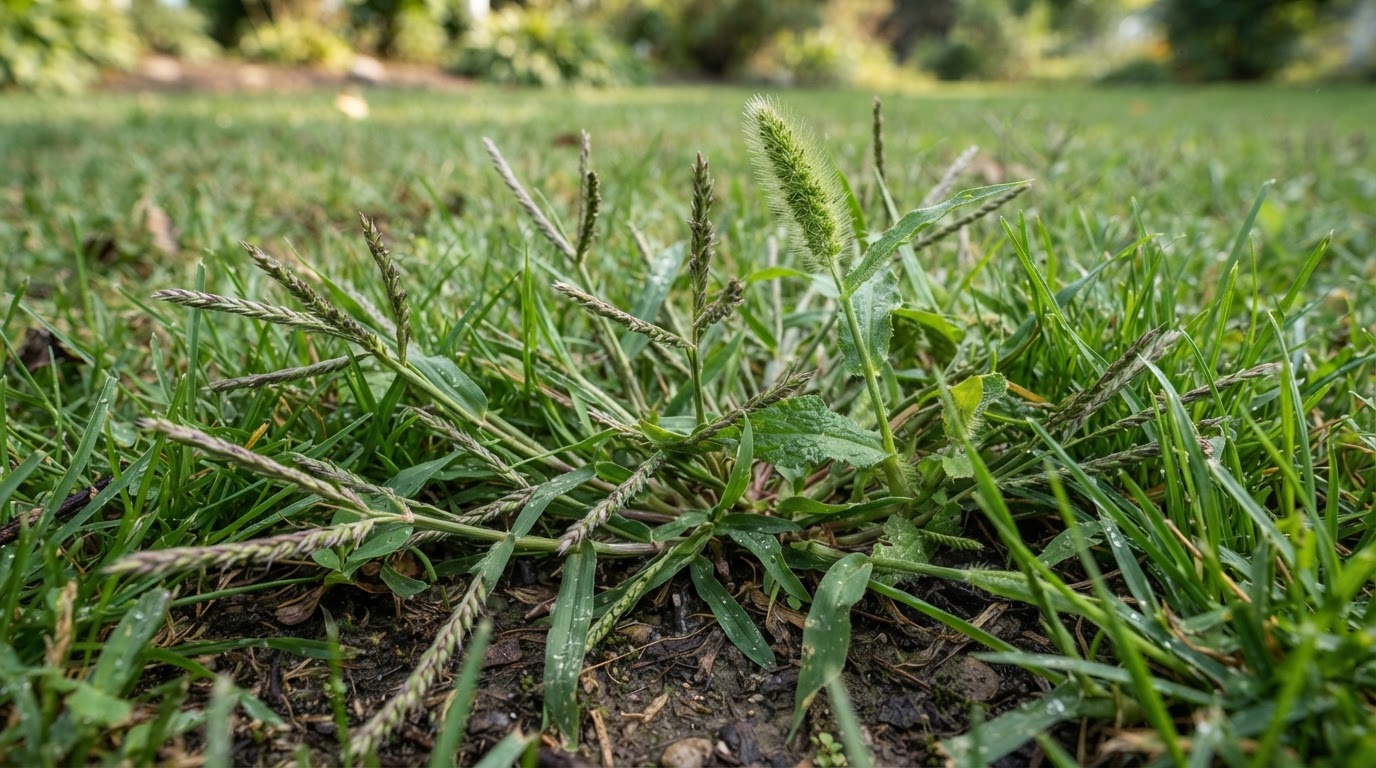
If you have a lawn full of crabgrass or foxtail and you're planning to aerate and seed this fall, I would usually rather deal with the weeds first.
I've watched this situation play out on lawns for years. The homeowner wants to improve the lawn. September is coming. They schedule aeration and overseeding — but large portions of the lawn are already occupied by mature crabgrass, foxtail, and other weeds.
That's where I think we need to slow down and ask a better question:
What are we actually trying to seed into?
Aeration and overseeding isn't magic. If much of the available growing space is occupied by undesirable vegetation, Golden Green would generally rather develop a plan to reduce that competition and then establish desirable turf.
🌱 The Quick Answer
Should you spray crabgrass and foxtail before aeration and seeding?
Often, yes — when there is meaningful weed pressure and the treatment can be properly timed before seeding.
Golden Green's preferred sequence when conditions and product labels allow:
But a lawn with only a couple isolated crabgrass plants may not need the same treatment plan as a new-construction lawn covered with crabgrass. Treat the lawn you actually have.
Why This Window Is So Short in Pennsylvania
By mid-to-late August in Eastern Pennsylvania, crabgrass and foxtail are often extremely noticeable. These summer annual grasses grow through summer and produce seed from midsummer toward frost. Penn State identifies crabgrass and foxtail among Pennsylvania's common summer annual grasses.
This creates a narrow operational window. Golden Green wants enough time to:
Penn State identifies late summer through early fall as generally the best period to establish cool-season turf from seed because young turf gets fall and spring growing periods before its first summer stress.
📅 The Fall Race Against the Calendar
The problem isn't whether I can kill crabgrass. The problem is whether I can kill it and still leave myself enough fall to establish grass.
Why We Use Selective Control
Golden Green uses selective turf herbicides appropriate for the target weeds and labeled turfgrass. Quinclorac is one active ingredient used for postemergence control of crabgrass and foxtail. Penn State also notes activity on several broadleaf weeds.
Golden Green follows the product label regarding rates, turfgrass tolerance, application timing, adjuvants, reapplication, and seeding intervals. I do not make blanket claims that every quinclorac formulation has the same seeding interval, and I do not recommend homeowners mix chemicals themselves.
Why Golden Green Does Not Use Glyphosate for This Program
For this type of selective lawn-treatment program, Golden Green does not use glyphosate / Roundup to selectively remove crabgrass from an otherwise desirable lawn. Glyphosate is non-selective and can injure or kill desirable turf it contacts.
The objective here is different:
Keep desirable turf. Target undesirable weeds. Then establish more desirable turf.
We're not trying to kill the lawn and start over. We're trying to improve the lawn that's already there.
The Part People Miss — Killing Crabgrass Doesn't Create Grass
This is one of the strongest points I want homeowners to understand. If a lawn is 25% crabgrass and you successfully remove that crabgrass, you may now have something close to 25% less green vegetation.
The lawn can temporarily look worse. That's not necessarily treatment failure. It may simply expose how thin the desirable turf actually was.
Then ask:
What fills that space next?
If nothing does, another weed eventually will. That is why Golden Green connects late-summer weed control with fall aeration and overseeding when appropriate. Penn State's broader weed-management guidance emphasizes developing dense, properly managed turf as the first step in weed control.
The Weed-Control Loop
❌ Do nothing
Weeds exploit the opening again.
✅ Aerate + seed + proper establishment
More desirable turf competition.
“But I Paid for Crabgrass Pre-Emergent. Why Do I Have Crabgrass?”
This is one of the most common customer misunderstandings, and it's worth addressing directly. Golden Green uses a two-application crabgrass pre-emergent strategy as part of its six-step fertilization and weed-control program. But pre-emergent does not make crabgrass impossible.
Control is influenced by:
Most importantly, here's my field observation: when homeowners point out crabgrass, it frequently appears in the weakest, thinnest, disturbed, or bare areas. The homeowner may see thick desirable turf with little crabgrass, then ten feet away, a thin or open area loaded with crabgrass.
The lesson isn't that pre-emergent “did nothing.” The lesson is that weed prevention and turf density work together. Even very small openings in turf can become visible sites for weed establishment, and bare or thin areas deserve attention.
The New-Construction Lawn Call I Can Almost Predict
A family builds or purchases a beautiful new home in the Lehigh Valley. The landscaper installs the lawn. It's green. Everybody is excited. Golden Green gets called to fertilize it.
November comes. Thanksgiving. Christmas. Winter. Spring arrives. Golden Green applies the spring lawn program. Then Pennsylvania summer arrives. June. July. Heat. August. Suddenly that beautiful new lawn begins looking rough. Crabgrass appears. Foxtail may appear. Thin areas become obvious.
The homeowner calls: “What happened to my lawn?” Golden Green explains that the crabgrass needs to be treated. Then comes the difficult part:
“There may be an additional treatment, and I also recommend aerating and seeding this fall.”
And the homeowner understandably thinks: “Are you kidding me? I just paid to have a brand-new lawn installed.”
I completely understand that reaction. They just built a house. They've dealt with contractors, budgets, change orders, furniture, landscaping, moving. Everything costs money. Now the lawn-care company is telling them that their “new” lawn needs more work.
After years in lawn care, I can almost anticipate when this conversation is coming. And here's the truth: a newly installed lawn is still a developing stand of plants. The first year or two can expose thin establishment, soil disturbance, compaction, seed establishment differences, and summer annual weed pressure. The solution is not to panic. It's to continue building the turf.
If I installed new lawns for a living, I'd tell every customer on installation day: “Put the next two or three Septembers on your calendar. You may need to aerate and seed again, and don't be surprised if we have to address crabgrass during that first full summer.”
That conversation alone could save an enormous amount of frustration.
Four Different Lawns — Four Different Answers
🏠 New Construction
Large crabgrass/foxtail pressure, thin young turf, disturbed soil.
Likely strategy: Evaluate → selective weed treatment where appropriate → required waiting interval → aerate/seed → continued establishment over subsequent falls.
Expectation: This can take multiple seasons.
🌱 Older Neglected Lawn
Home is 10–30 years old. Lawn hasn't received consistent care and contains large amounts of weeds.
Likely strategy: Clean up major weed pressure → expose weak areas → aerate/seed → fertilization/weed-control program → repeat turf-building as necessary.
Expectation: These homeowners often understand immediately because they already know the lawn needs rehabilitation.
💚 Already Good Lawn, A Few Crabgrass Plants
Dense established turf with a few isolated problem areas.
Likely strategy: Spot treatment where appropriate or simply address the isolated issue as part of the overall program; aeration/overseeding can continue building density.
Expectation: Golden Green doesn't believe every lawn needs a giant extra treatment. For small areas, isolated weeds may be addressed during normal service when practical.
🚜 Construction Damage
Pool installation, patio, landscaping, utility work, skid-steer traffic, wheelbarrows, trenching.
Likely strategy: Repair soil/turf → control weeds as needed → aerate/seed → establish turf again.
Expectation: The damaged section can behave almost like a miniature new-construction lawn.
Why Aeration and Overseeding Is Actually Part of Weed Control
One of the best weed-control tools isn't another spray. It's grass. Herbicides address weeds. Fertilizer supports plants. But seed determines what desirable plants you're trying to establish.
A dense cool-season turf canopy can reduce opportunities for weed establishment. Penn State similarly emphasizes dense, well-managed turf as an important defense against summer annual grasses. That's why Golden Green doesn't want to endlessly spray empty dirt. The goal is to establish desirable turf where weeds previously had room — which is exactly why we're particular about Sunny Seed Mix.
Why We Don't Automatically Spray Every Lawn
Quinclorac treatments cost money. A lawn with two small crabgrass patches should not necessarily be treated like a 12,000-square-foot new-construction lawn overrun with summer annual grasses. Golden Green evaluates the amount of affected turf.
Large infestations may require a measured, priced treatment. Small isolated areas may sometimes be handled during normal service when practical. The point is not to manufacture another invoice. The point is to make the correct agronomic decision.
If this were my own lawn, I wouldn't want to pay for a large treatment I didn't need. But I also wouldn't spend money killing a major crabgrass infestation and then leave the lawn bare without a plan to seed it.
Why Golden Green Takes the Timing Seriously
I try to keep late-summer grassy-weed treatments organized and concentrated with experienced technicians so applications aren't casually scattered throughout the calendar. The operational reason is simple: the clock matters.
The schedule has to work as a system.
⚠️ Herbicide + Seeding Timing
Do not assume every quinclorac product requires exactly a 14-day wait. Penn State notes that quinclorac can be used around new turfgrass seedings, but restrictions vary by turf species and product label.
Golden Green's operational schedule may build approximately two weeks between certain late-summer treatments and aeration/seeding when appropriate, but:
The exact product label always controls.
September 7 — Is It Too Late?
Not necessarily — but the clock is now important. If someone in the Lehigh Valley calls Golden Green on September 7 with significant crabgrass/foxtail pressure and also wants aeration and seeding, Golden Green has to evaluate:
Sometimes treating first still makes sense. Sometimes the calendar may change the recommendation. The important point is: don't blindly spray because the calendar says September, and don't blindly seed into a major weed infestation because “it's seeding season.” Evaluate the whole lawn.
What I've Learned After Years of These Conversations
The hardest part isn't always killing crabgrass. Sometimes the hardest part is explaining the process. A homeowner sees a lawn. A lawn professional sees:
The homeowner's frustration is legitimate. The professional's recommendation can also be legitimate. The job is to explain why.
I don't want a homeowner trusting Golden Green because I told them to trust me. I want them to understand the lawn well enough that the recommendation makes sense.
So, Should You Spray Crabgrass and Foxtail Before Aeration and Seeding?
If a meaningful amount of your lawn is occupied by crabgrass or foxtail, I generally want to address that competition before investing in aeration and overseeding — provided we can do it within the product label and still preserve a good seeding window.
If you only have a few isolated plants, the answer may be different. If you have a new-construction lawn covered with crabgrass, the answer may be much more urgent. If September is already moving along, timing becomes critical. But the philosophy stays simple:
Don't just kill weeds. Replace their opportunity with better grass.
That is how we think about lawn improvement at Golden Green. Your Lawn's Best Friend.
Not Sure What Is Growing in Your Lawn?
Crabgrass? Foxtail? Tall fescue? Nutsedge? Something else? Send Golden Green a photo or request a lawn evaluation. We'll help you understand what you're looking at and whether treating, aerating, seeding — or simply leaving it alone — is the better next step.
Request a Lawn EvaluationHelpful lawn care advice for Pennsylvania homeowners
If this guide helped you, add Golden Green as a Preferred Source on Google to see more of our lawn care guides in Google Search and AI experiences.
Frequently Asked Questions
Share this article
Ready to Get Your Lawn Back on Track?
If crabgrass or foxtail has taken over parts of your lawn, Golden Green can help you sort out whether to treat first, seed now, or build a multi-season plan. Send us a photo or request a lawn evaluation.
Golden Green — Your Lawn's Best Friend.
Related Articles
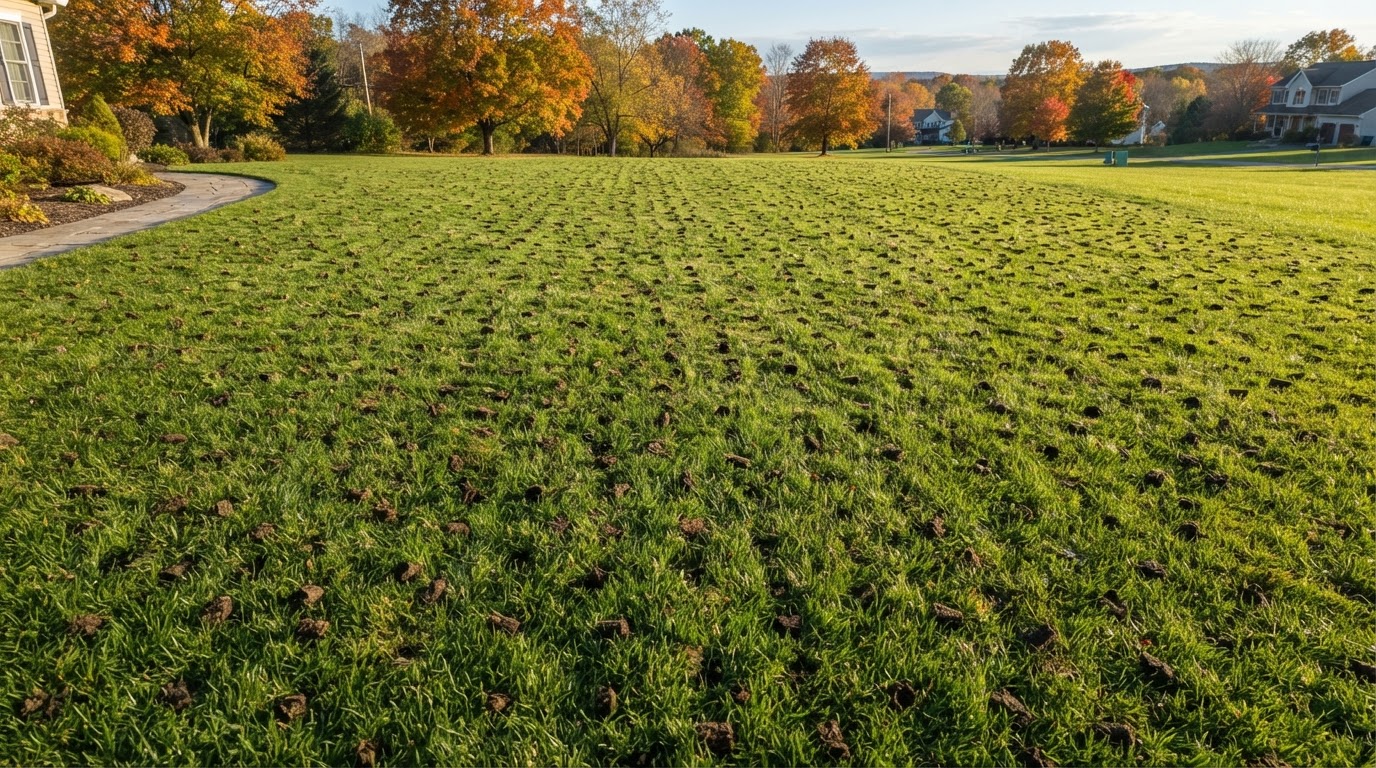
How Many Years of Aeration and Overseeding Does It Take to Transform a Lawn?
How often should you aerate and overseed? See why some Pennsylvania lawns improve dramatically after several fall seasons of aeration and seeding.
Read Article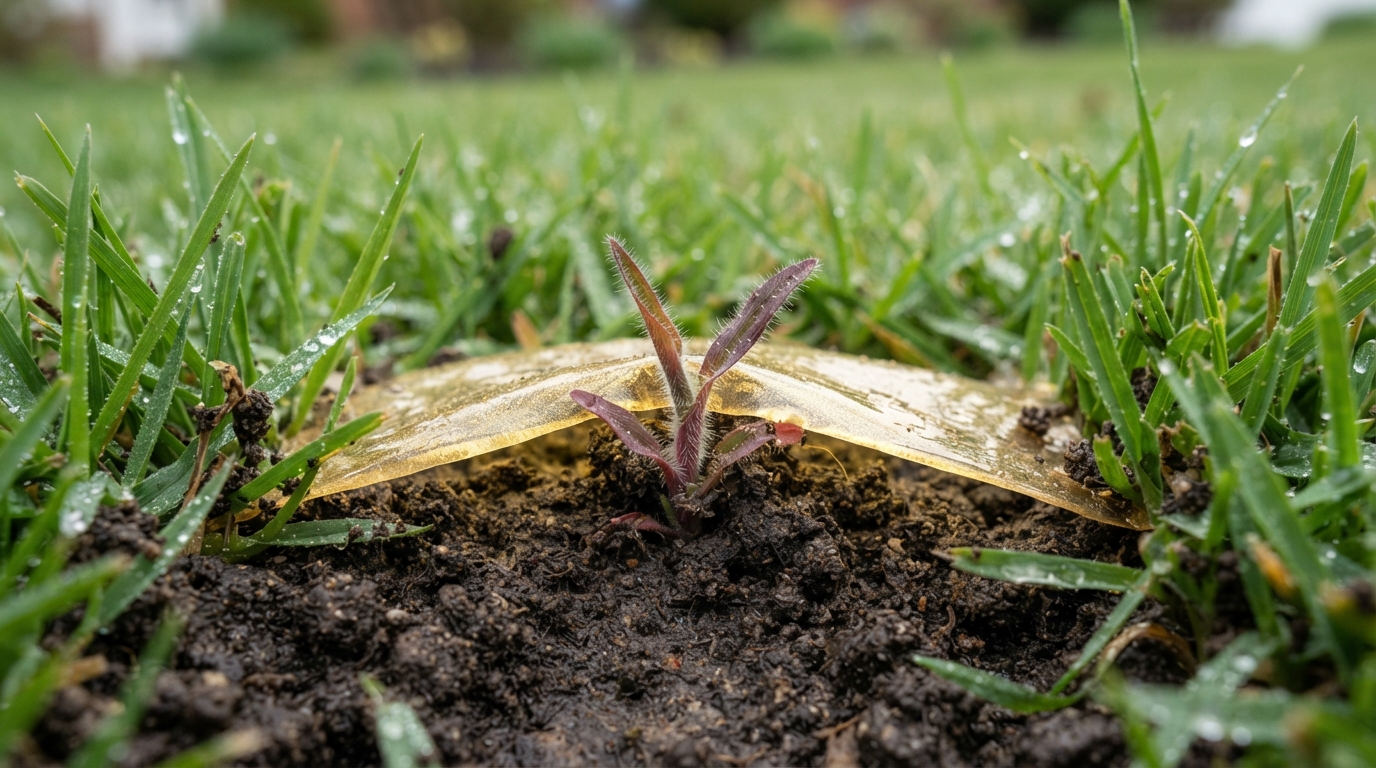
Crabgrass Already Came Up? Here's What to Do Next in Pennsylvania Lawns
Crabgrass already visible in your lawn? Learn the best postemergence control strategy for Pennsylvania lawns and what really works after germination.
Read Article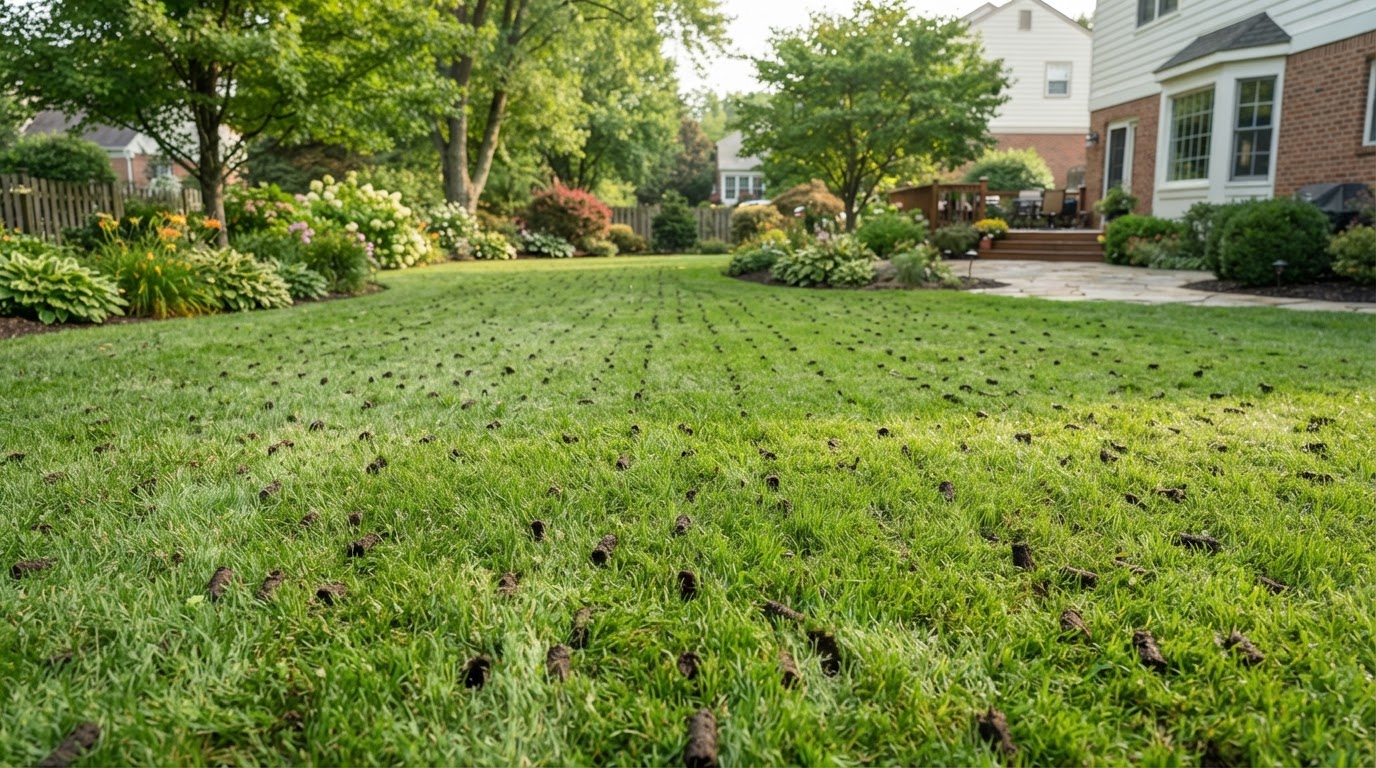
Why Golden Green Uses the Stinger GT30 for Aeration and Overseeding
After years of using different lawn aerators, here's why Golden Green chose the Stinger GT30 for aeration and overseeding in Eastern Pennsylvania.
Read ArticleGolden Green Lawn Care Services