Contents
Setting Realistic Expectations
How Long Does Lawn Care Take to Work in Pennsylvania?
Some lawn-care changes may become visible within days or weeks. Rebuilding thin turf, establishing new grass, and correcting persistent problems can take months or extend across more than one growing season.
The useful question is: what are we trying to improve, and what should progress look like?
A lawn that needs routine maintenance starts in a different place from one with extensive bare areas, persistent weeds, or poor growing conditions. At Golden Green, we want homeowners to understand that starting point before expecting a particular result.
A treatment response is different from a rebuilt lawn
You might notice a change in grass color after fertilization or a visible response in weeds after an application. Those changes can be encouraging, but they do not necessarily mean the lawn’s underlying problems are resolved.
Here is how those goals differ:
Improve grass color and growth
Progress: A response from existing grass
Timeline factors: Nutrient needs, fertilizer type, moisture, temperature, and active growth
Control existing weeds
Progress: Target weeds declining after appropriate treatment
Timeline factors: Weed identification, maturity, product, application conditions, and new germination
Fill thin areas
Progress: Seedlings establishing and turf coverage increasing
Timeline factors: Seed choice, soil contact, planting conditions, watering, mowing, and traffic
Improve lasting lawn quality
Progress: More consistent coverage and fewer recurring problem areas
Timeline factors: Site conditions, maintenance, weather, and whether underlying causes are addressed
These are stages to evaluate, not guaranteed deadlines.
Our lawn fertilization services support existing grass, but fertilizer cannot create grass where no living plants or viable seed are present.
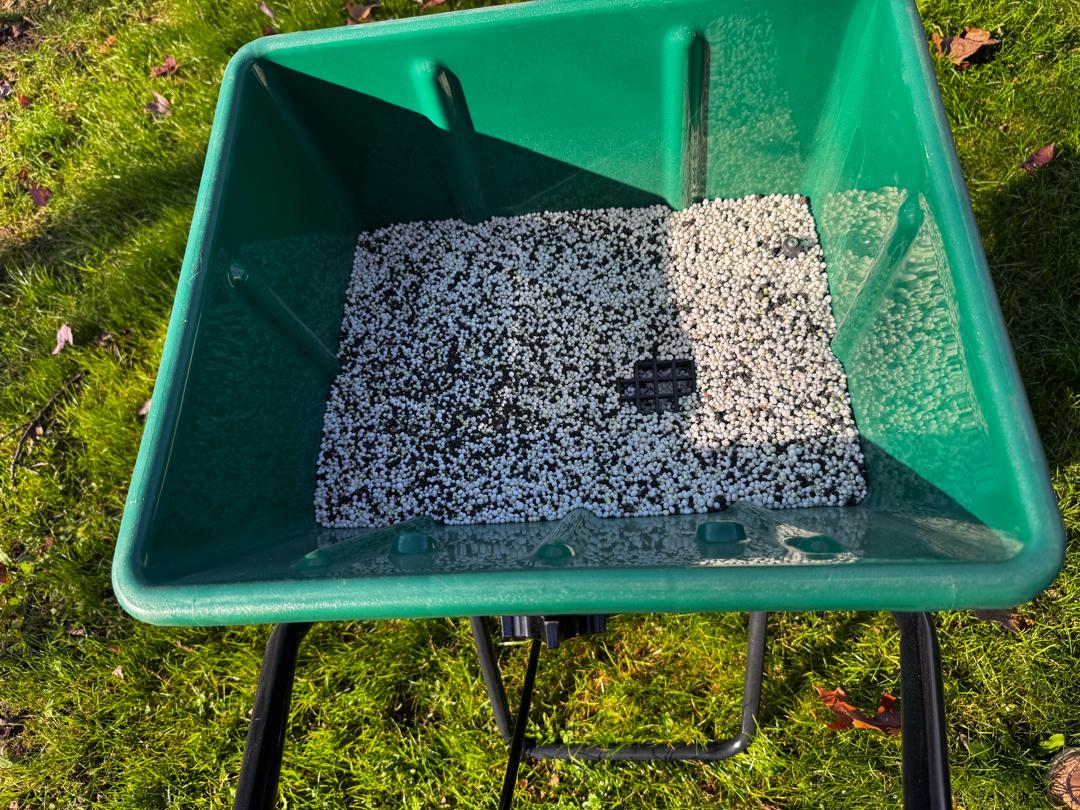
Why two lawns on the same street can respond differently
Similar weather does not mean identical growing conditions.
One yard may receive plenty of sunlight and have established turf. Another may have dense shade, compacted ground, heavy foot traffic, or watering problems.
Before setting expectations, useful questions include:
- ›How much healthy grass is already present?
- ›Are the problem areas sunny, shaded, wet, or unusually dry?
- ›Which weeds are growing?
- ›Has the lawn recently been seeded or treated?
- ›How is it being mowed and watered?
- ›Is soil testing or a closer inspection needed?
A lawn that needs maintenance may improve without major renovation. A lawn with persistent site problems may need a different plan before additional treatments will help.
Why weeds can remain after treatment
Seeing weeds after a visit does not automatically tell you whether the treatment worked.
The original weeds may still be responding. New weeds may have germinated. Some plants may require a different approach from others. Conditions during and after the application also matter.
Our weed-control services address unwanted plants, while improving grass coverage can help reduce opportunities for future weed establishment.
Those are related tasks, but they are not interchangeable. Spraying weeds does not establish new grass in the spaces left behind.
For a closer explanation of what to check, read why weeds may keep spreading after lawn treatment.
Thin turf needs time—and suitable conditions—to fill in
A greener lawn is not necessarily a thicker lawn.
Where turf is sparse, the plan may include establishing additional grass. Our overseeding service is intended to introduce seed into an existing lawn where conditions support establishment.
Germination is only the beginning. New grass still needs to develop enough to tolerate mowing, traffic, and changing weather.
It also matters which grass is present. Different grasses establish and spread differently, so you should not assume every bare patch will close on its own.
In heavily shaded, persistently wet, or heavily trafficked areas, simply adding more seed may not solve the problem. Those conditions need attention too.
Pennsylvania’s seasons affect the pace of improvement
A lawn-care plan should account for when grass can grow and when the proposed work has a reasonable opportunity to succeed.
Penn State identifies late summer as the optimum seeding period in most areas of Pennsylvania. That does not mean every fall day is equally suitable: the available establishment time, grass species, weather, and site conditions still matter. Penn State’s lawn-establishment guidance.
Our guide to when to aerate and overseed in Pennsylvania explains that seasonal decision in more detail.
For example, a lawn evaluated shortly before winter may need a plan that extends into the next growing season. The calendar can limit what is practical immediately.
That waiting period should come with an explanation of what can be done now, what should wait, and why.
Your mowing and watering decisions matter
Professional care and routine maintenance affect the same lawn.
After a service, ask for instructions that match the work performed. An established lawn receiving treatment may need different care from an area where new seed is establishing.
Useful questions include:
- ›Do I need to water, and when?
- ›Should irrigation be delayed after this treatment?
- ›When can I mow?
- ›Are there areas where traffic should be limited?
- ›What should I do if weather changes the plan?
For newly seeded areas, our guide to mowing after aeration and overseeding explains why lawn condition matters more than a universal number of days.
Following appropriate aftercare helps protect the work. If the instructions are unclear, contact us rather than guessing.
What should you expect during the first season?
You should expect a clear goal and a way to judge progress.
Depending on the lawn, that might mean evaluating target weeds, monitoring grass coverage, identifying recurring stress areas, or preparing for a suitable seeding window.
A practical way to follow changes is to photograph the same areas from similar positions over time. Keep notes about treatments, rainfall, irrigation, mowing, and when a concern appeared.
Those records help make the conversation specific. “This patch expanded after last week’s rain” is more useful than trying to remember whether the whole lawn looked better a month ago.
Some lawns need work across multiple seasons. That should be explained in terms of the lawn’s condition and planned steps—not treated as a reason to postpone every question about results.
When should you ask for a reassessment?
Patience is useful. So is speaking up when something does not look right.
Contact Golden Green if:
- ›A damaged area is spreading.
- ›New or unexpected injury appears after treatment.
- ›You are unsure whether a weed is responding.
- ›Seeding progress differs from the expectations you were given.
- ›The same area repeatedly fails despite following the plan.
- ›You do not understand what the next service is intended to accomplish.
Depending on the situation, the next step might be a review of photographs and treatment records, a closer inspection, or testing. It should not automatically be another application.
How long will your lawn take?
The answer starts with your lawn’s current condition and the improvement you want.
A color response, control of a particular weed, and establishment of new turf are different goals. They need different expectations.
Golden Green’s approach is to explain the purpose of the work, what you can do afterward, and when it makes sense to review progress.
What are we trying to improve first? What should you watch for? What might require another step?
Request a lawn-care quote and tell us what you would like to improve. We can start the conversation about an appropriate plan and whether a closer lawn evaluation is needed.
Golden Green — Your Lawn’s Best Friend.
Frequently asked questions
Can one treatment improve my lawn?
Yes, one treatment may address a specific need. It should not be expected to resolve every cause of thin grass, weeds, or poor growing conditions.
Does every lawn need several years to improve?
No. Some lawns respond sooner. Lawns needing substantial renovation or correction of persistent conditions may require work across multiple growing seasons. A useful estimate should be specific to the lawn and the proposed work.
Does slow improvement mean the treatment failed?
Not necessarily. Season, weather, the treatment's purpose, and lawn condition can all affect what you see. However, worsening conditions or results outside the expectations you were given should prompt a conversation.
Will fertilizer fill bare spots?
Fertilizer supports plant growth but does not supply new grass plants. Depending on the existing grass and the conditions, bare areas may require seeding or another repair approach.
Should I wait until next year to report a problem?
No. Let Golden Green know when a concern appears. Early communication helps determine whether the lawn needs time, different aftercare, or a closer look.
Helpful lawn care advice for Pennsylvania homeowners
If this guide helped you, add Golden Green as a Preferred Source on Google to see more of our lawn care guides in Google Search and AI experiences.
Related Articles
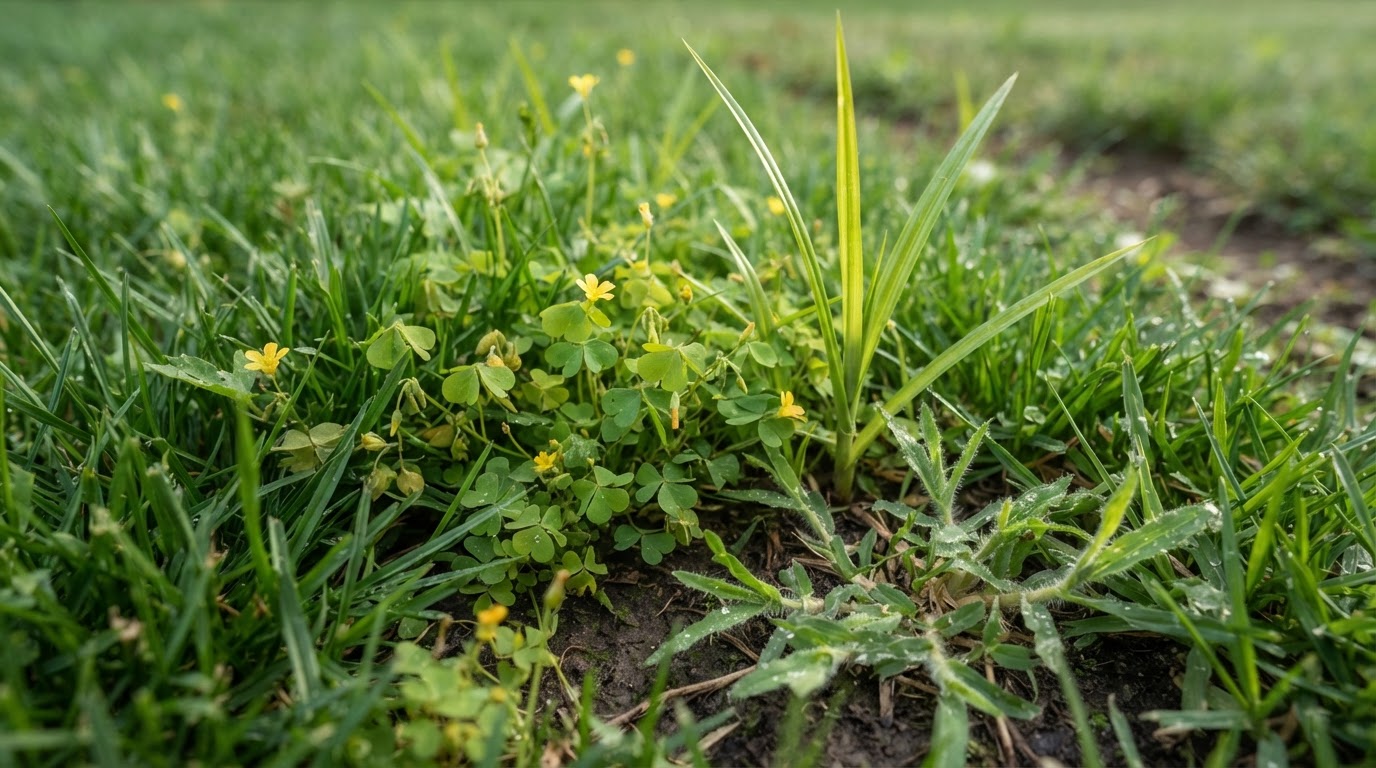
Why Are Weeds Still Spreading After Lawn Treatment?
Weeds still growing after treatment? Learn how weed identification, treatment timing, soil moisture, and lawn thickness influence results.
Read Article
When Can You Mow After Aeration and Overseeding in Pennsylvania?
Learn when to mow after aeration and overseeding in Pennsylvania, what soil and seedlings should look like, and how to avoid damaging new growth.
Read Article
Is Professional Lawn Care Worth the Cost in Pennsylvania?
Is professional lawn care worth the cost in Pennsylvania? Compare DIY expenses, treatment pricing, service expectations, and what your quote should include.
Read ArticleGolden Green Lawn Care Services