Water too little and the roots dry out. Water too much and you can encourage disease, shallow rooting, or even cause the sod to fail. At Golden Green Lawn Care, we help homeowners throughout Eastern Pennsylvania establish healthy lawns that last for years.
The First Rule: Keep the Sod Moist, Not Saturated
New sod has very little root system in your existing soil. During the first few weeks, its roots must grow downward before the lawn becomes established. Your goal is to keep both the sod and the top inch of soil consistently moist. The lawn should never completely dry out during the establishment period.
Week 1: Water Two to Four Times Per Day
During the first 7 days after installation:
- Water 2–4 times daily
- Apply enough water to keep the sod moist
- Water early in the morning whenever possible
- Add an afternoon watering during hot weather
- Avoid watering late at night unless absolutely necessary
Depending on temperatures, most lawns require approximately ½ to 1 inch of water per day, divided into multiple watering sessions.
Check Your Progress:
Lift a corner of the sod. If the soil underneath feels damp, you're watering enough. If it's dry, increase watering. If it's muddy or soggy, reduce watering.
Week 2: Begin Reducing Frequency
As roots begin growing into the soil, water once or twice per day. Increase the amount of water per cycle and allow the surface to dry slightly between waterings. This encourages deeper root growth.
Week 3: Transition to Deep Watering
Most sod begins rooting well after two to three weeks. Now switch to one deep watering every 1–2 days, approximately ¾ to 1 inch of water per irrigation. Deep watering trains roots to grow downward instead of remaining near the surface.
After One Month
Once the sod is firmly rooted, most cool-season lawns only need about 1 to 1½ inches of water per week, including rainfall. Rather than watering every day, water deeply one or two times per week. This develops a healthier, more drought-resistant lawn.
How Do You Know If Your Sod Needs Water?
Watch for these signs:
- Footprints remain visible after walking
- Grass blades begin folding
- Color changes from bright green to bluish-gray
- Soil feels dry several inches below the surface
Don't wait until the lawn turns brown.
Signs You're Watering Too Much
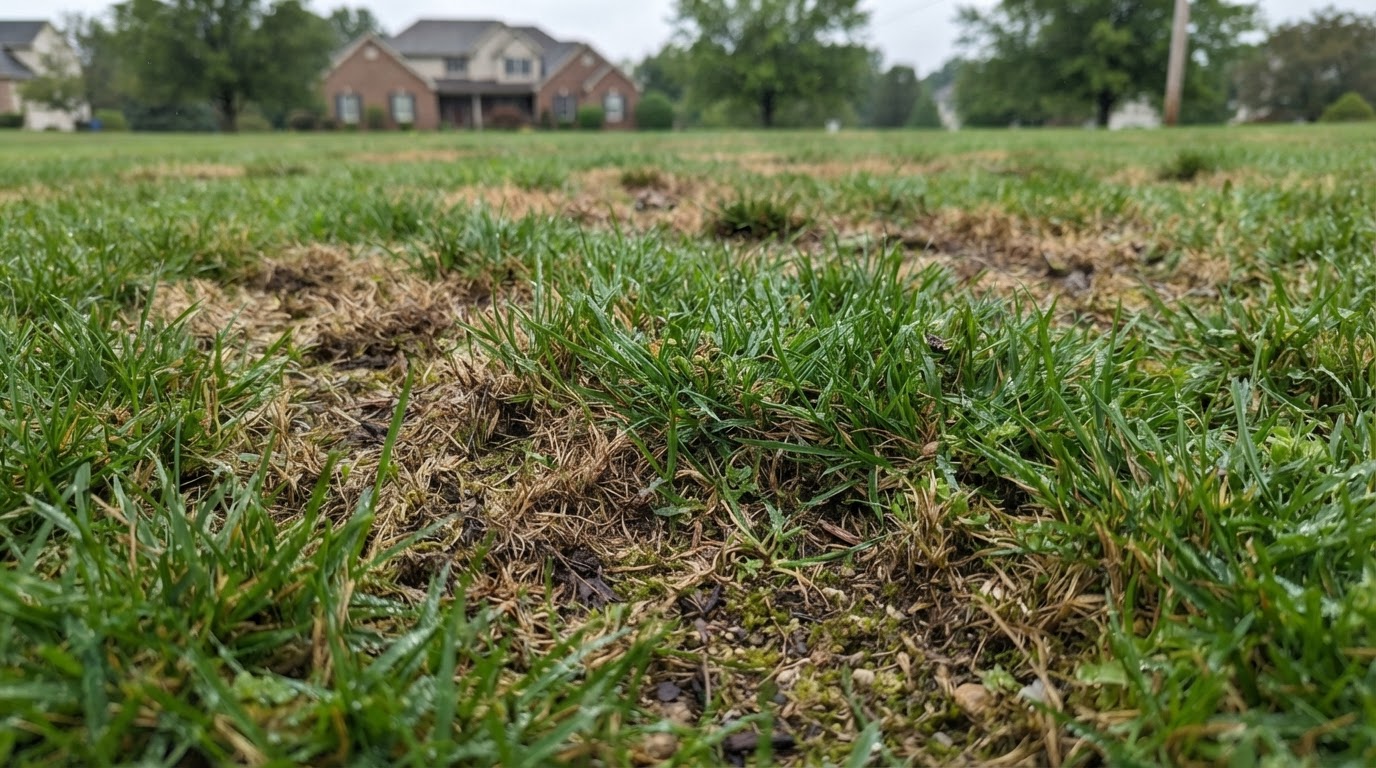
Overwatering is one of the most common mistakes homeowners make. Watch for:
Too much water prevents roots from searching deeper into the soil.
Best Time of Day to Water
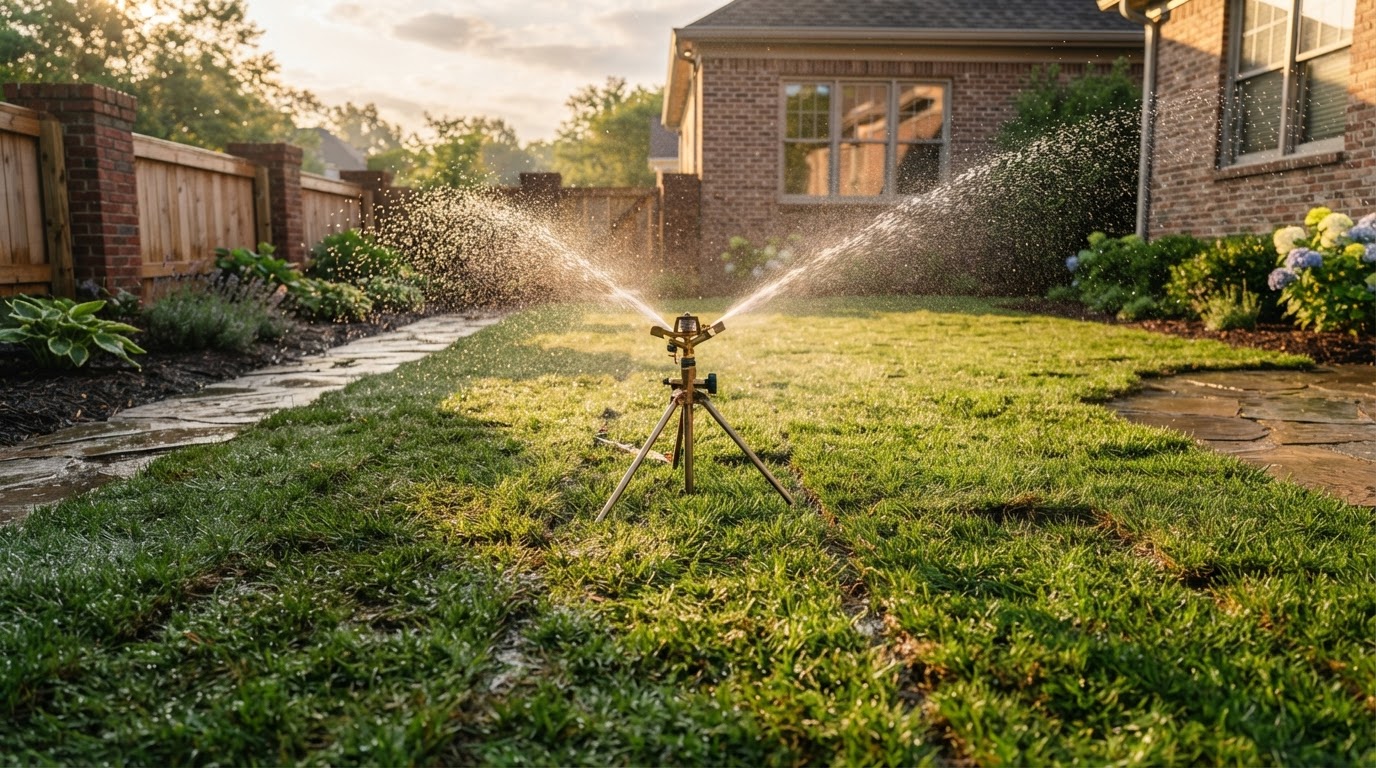
The ideal watering time is 5:00 AM to 9:00 AM. Morning watering reduces evaporation, allows the grass to dry during the day, and helps prevent fungal diseases. Avoid routine evening watering whenever possible.
Weather Makes a Difference
Every installation is different. Your watering schedule should change based on:
For example, a full-sun lawn during a 90°F summer day may need three or four watering cycles. A shaded lawn during cool spring weather may only require one or two.
Eastern Pennsylvania Soil Matters
One reason watering recommendations vary is because soils differ throughout Eastern Pennsylvania. Some counties contain heavier clay soils that retain moisture longer. Others have sandy soils that drain quickly and require more frequent irrigation. Understanding your local soil type helps determine the correct watering schedule and prevents both underwatering and overwatering.
Read Our Eastern Pennsylvania Soil Map →Frequently Asked Questions
How long does new sod take to root?
Most sod begins rooting within 10–14 days and becomes well established after 3–6 weeks, depending on weather and maintenance.
Can you overwater new sod?
Yes. Too much water can encourage fungal diseases, reduce oxygen in the soil, and slow healthy root development.
Should I water if it rains?
It depends. Measure rainfall before watering. If the soil remains moist beneath the sod, additional irrigation may not be necessary.
When can I mow new sod?
Wait until the sod is firmly rooted and cannot be easily lifted. Typically this occurs around 2–3 weeks after installation. Never remove more than one-third of the grass blade during the first mowing.
Let Golden Green Help Your Lawn Thrive
Whether you've installed new sod or you're trying to improve an existing lawn, proper watering is one of the most important factors in long-term success. Golden Green Lawn Care proudly serves homeowners throughout Eastern Pennsylvania with fertilization, weed control, aeration, overseeding, grub prevention, lime applications, and lawn health evaluations.
Golden Green — Your Lawn's Best Friend.