Why Step 4 Helps Pennsylvania Lawns Bounce Back After Summer Stress
September is the turning point. The lawn survived summer, the nights are cooling, and cool-season turf is becoming active again. Learn how Golden Green’s Step 4 fertilizer treatment supports recovery — and why weed-control timing matters around fall seeding.
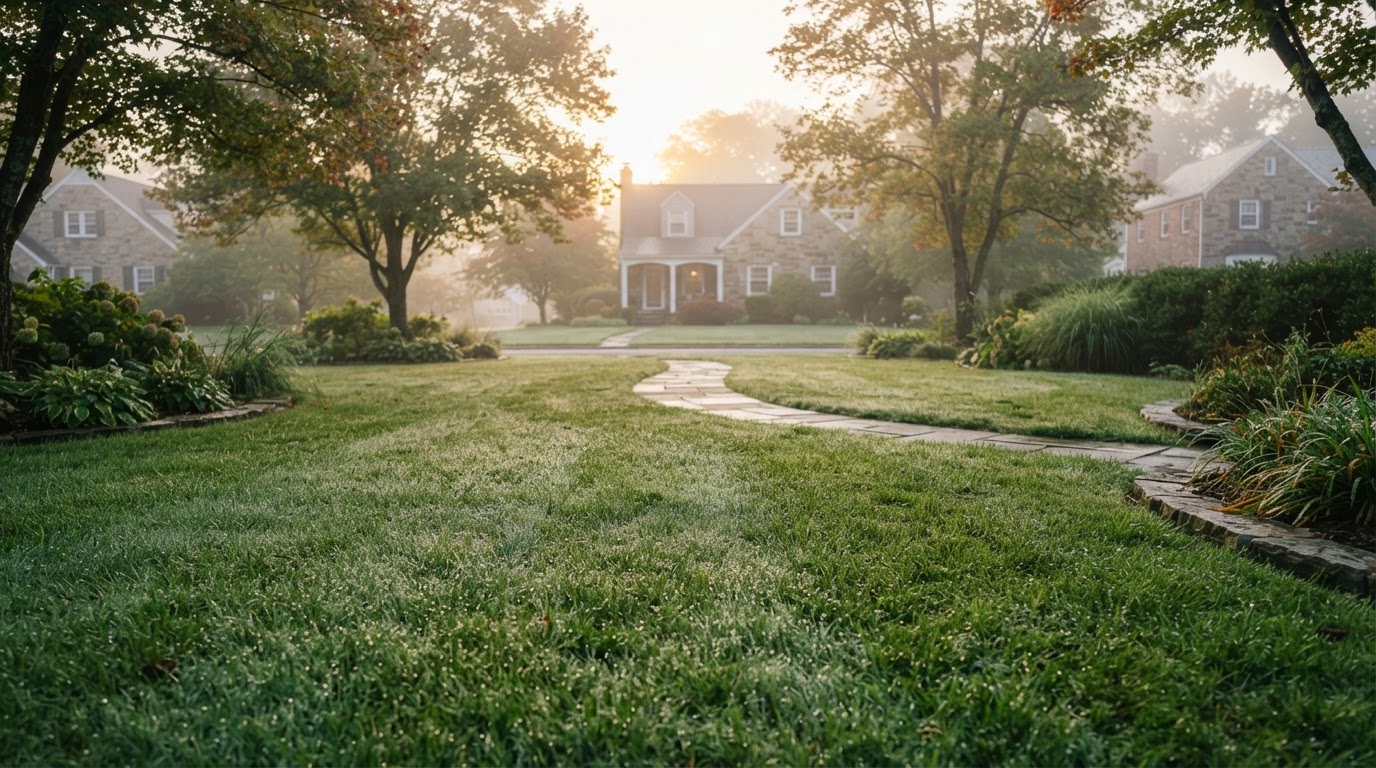
There is something I enjoy seeing every September. You walk outside early in the morning and notice a little dew on the lawn. The nights don’t feel quite as hot. The grass that looked tired and faded during August starts showing some life again.
For me, Step 4 feels like relief. We made it through summer.
And if you have a cool-season lawn in Eastern Pennsylvania, this is the time of year when the grass finally starts getting conditions it likes again. Kentucky bluegrass, turf-type tall fescue and perennial ryegrass are cool-season grasses. They generally perform best during cooler portions of the growing season. Pennsylvania lawns can become stressed or even semi-dormant during extended periods of summer heat and drought, then begin recovering as cooler conditions and adequate moisture return.
That’s what makes Golden Green’s Step 4 treatment so important. But there’s another reason September requires some thought. This is also aeration and overseeding season. And that’s where fertilizer and weed control need to be handled intelligently.
The Quick Answer: What Is Golden Green’s Step 4?
Golden Green’s Step 4 is our late-summer / early-fall lawn treatment, generally occurring around the period when Eastern Pennsylvania’s cool-season lawns are beginning to recover from summer stress.
Depending on the lawn and our current program specifications, Step 4 can include:
But there is an important distinction: if we’re aerating and overseeding the lawn, we have to think carefully about herbicide use. I’ll explain why below.
August and September Are Two Very Different Months for Your Lawn
This is something homeowners sometimes miss. The calendar may have only moved a few weeks, but your lawn’s growing environment can be changing considerably.
During the dog days of summer, cool-season turf can be dealing with any combination of:
By September, conditions often begin moving back in its favor. Penn State Extension specifically identifies late summer — early to mid-September — as an especially important fertilization period for cool-season turfgrass, because fertilization during this period can promote recovery from drought and heat-related midsummer injury.
That’s almost exactly what I’ve observed working with lawns over the years. August can make you wonder what happened to your lawn. September can remind you what it is capable of becoming.
Step 4 Is the Beginning of the Comeback
I don’t look at Step 4 as simply another fertilizer application. I think of it as the beginning of the lawn’s fall recovery period. During summer, we’re careful about how hard we push a stressed lawn. When cooler conditions return, we can begin feeding it differently.
Penn State notes that slightly higher nitrogen rates can be appropriate during late summer than during periods of summer stress and recommends slow-release nitrogen when higher rates are being used. Their sample fertilization schedule places a major cool-season nitrogen application in the September 1–20 period.
That doesn’t mean every lawn needs the same amount of fertilizer. It means the season matters. And that’s one of the principles behind Golden Green’s six-step fertilization and weed-control program.
Why We Like Slow-Release Fertilizer for Step 4
I don’t want to see a lawn get a massive burst of top growth and then run out of nutrition. I prefer a steadier approach. Slow-release nitrogen makes some of the fertilizer available gradually instead of depending entirely on an immediate release.
The goal isn’t “make it green tomorrow.” The goal is to feed the plant appropriately as it enters an important growing and recovery period.
There’s a difference. This is also why fertilizer programs should change throughout the year. What makes sense for a Pennsylvania lawn in September isn’t necessarily what I want to apply during severe July heat.
What About Iron?
Iron can contribute to the green color of turf without simply increasing nitrogen for the sake of color. That’s useful because color is only one part of lawn health.
When homeowners see a pale lawn, the instinct is sometimes “put more fertilizer on it.” But more isn’t automatically better. A lawn’s appearance may involve fertility, heat stress, moisture, disease, insects, soil conditions, turf density or some combination of those factors.
I don’t want to fertilize a problem that isn’t actually a fertilizer problem. That’s why looking at the lawn matters.
September Is Also Aeration and Overseeding Season
This is where Step 4 gets particularly interesting. Penn State says late summer through early fall is generally the best period for establishing cool-season turf from seed in Pennsylvania. New seedlings get the benefit of the fall growing period and another cool growing season in spring before facing their first full summer.
So September can bring several pieces of lawn care together:
And those treatments can’t always be performed independently of one another. You have to know what you’re doing.
Here’s Where Homeowners Can Accidentally Make a Mistake
Imagine your lawn is thin after summer. You decide September is the perfect time to aerate and overseed. Good idea. Then you walk into a garden center and see a bag promising to feed the lawn and kill weeds at the same time. That sounds even better. So you apply the weed-control product and put grass seed down.
The problem? Certain herbicides can interfere with newly seeded turf or require specific intervals before or after seeding. The exact restrictions depend on the herbicide, formulation, turfgrass species and product label.
That’s why I don’t believe in blindly treating every September lawn exactly the same way. If we’re trying to establish new grass, we need to protect that establishment process.
Fertilizer and Seed Can Work Together. Herbicide Requires More Thought.
This is an important distinction. Fertilizer itself isn’t the same thing as herbicide. Our Step 4 granular fertilizer does not depend on putting down a crabgrass-prevention barrier. But weed control is a separate consideration.
If a lawn is being aerated and overseeded, I don’t want a technician automatically blanket-spraying herbicide across newly seeded areas without considering the product label and seeding timing. That can undermine the very thing we’re trying to accomplish.
The lawn determines the plan — not simply the fact that the calendar says “Step 4.”
What About Crabgrass Before Overseeding?
This deserves special attention because it’s something we see frequently. Suppose a lawn reaches late summer with significant crabgrass. Do we seed right through it? Do we treat the crabgrass first? How long do we wait?
The answer depends on the condition of the lawn, weed maturity, weather, turf species, product being used and the herbicide label. At Golden Green, we’ve used quinclorac-based treatments as part of our approach to post-emergent crabgrass control. But I don’t recommend homeowners assume there’s one universal waiting period between every quinclorac product and every type of grass seed. The exact label controls.
I’ve written an entire article about this because it’s one of the more important timing decisions around fall aeration and overseeding: Should You Spray Crabgrass and Foxtail Before Aeration and Seeding?
Killing Weeds Doesn’t Create Grass
This is one of the most important principles I can teach a homeowner. You can kill crabgrass. You can kill broadleaf weeds. You can clean up an ugly lawn. But after those weeds disappear, what occupies the space?
Killing weeds doesn’t create grass. That’s why September is such an important month.
If summer exposed thin areas, poor turf density or places where weeds took over, fall gives us an opportunity to begin rebuilding those areas with desirable turf. Sometimes part of long-term weed control isn’t another spray. It’s more grass.
Step 4 + Aeration + Overseeding Can Be a Powerful Combination
When the lawn needs it, this is one of my favorite times of the entire lawn-care season. We can feed the existing turf. We can mechanically aerate compacted soil. We can introduce carefully selected grass seed. We can improve seed-to-soil contact. And then we can let the cooler fall growing period do something summer often couldn’t:
Give that lawn an opportunity to rebuild. A premium lawn isn’t simply fed. It’s built.
What We’re Looking for During a Step 4 Visit
A good technician shouldn’t simply pull onto the property, spread fertilizer and leave. This time of year tells us a lot. We’re looking at things such as:
Sometimes the correct recommendation is simply: your lawn looks good, let’s feed it and let fall do its work. Sometimes it’s: we need to seed this lawn. And occasionally it’s: there’s another problem here that fertilizer isn’t going to solve. That’s why inspection matters.
What Homeowners in Emmaus, Macungie and Alburtis May Notice Right Now
Around the first and second weeks of September, homeowners throughout the Lehigh Valley often begin noticing their lawns changing. A lawn that looked exhausted several weeks earlier may start showing better color and more active growth as conditions become favorable.
That’s especially noticeable on cool-season lawns containing Kentucky bluegrass, turf-type tall fescue and perennial ryegrass. Kentucky bluegrass, for example, makes optimum growth during spring and fall and can recover from summer dormancy when cooler temperatures and adequate soil moisture return.
So if your lawn starts looking better during September, it isn’t necessarily because somebody discovered a miracle fertilizer. The grass is entering a season it naturally prefers. Our job is to work with that biology.
Don’t Forget Water
Cooler nights and morning dew are encouraging. But dew isn’t a substitute for adequate soil moisture. And this becomes especially important if you’re overseeding. New grass seed needs appropriate moisture during germination and establishment. Weather, soil conditions, grass species and irrigation all influence the result.
We can put seed in a good position to succeed. We cannot make September rain on command. That’s why homeowner follow-through after overseeding matters so much.
Step 4 Is Part of a Bigger Fall Plan
Summer showed us the weaknesses. Fall gives us the opportunity to work on them.
Why I Look Forward to Step 4 Every Year
There’s something satisfying about this part of the season. July can be brutal. August can make beautiful lawns look tired. Then September arrives. The mornings start changing. There’s dew on the grass. The nights get cooler. The lawn starts responding.
And suddenly you remember: this is cool-season grass. This is what it has been waiting for. That’s why Step 4 feels different to me. It isn’t simply another stop on the route.
It’s the beginning of the comeback. And for many Pennsylvania lawns, some of the best growing weather of the year is still ahead.
Golden Green — Your Lawn’s Best Friend.
Helpful lawn care advice for Pennsylvania homeowners
If this guide helped you, add Golden Green as a Preferred Source on Google to see more of our lawn care guides in Google Search and AI experiences.
Frequently Asked Questions About Step 4
Share this article
Summer Is Almost Behind Your Lawn. Now Let’s Build the Fall Comeback.
If your lawn in Emmaus, Macungie, Alburtis or elsewhere in Eastern Pennsylvania looks tired after summer, Golden Green can help determine whether it needs Step 4 fertilization, aeration and overseeding, weed control — or simply time and good fall growing conditions.
Golden Green — Your Lawn’s Best Friend.
Related Articles
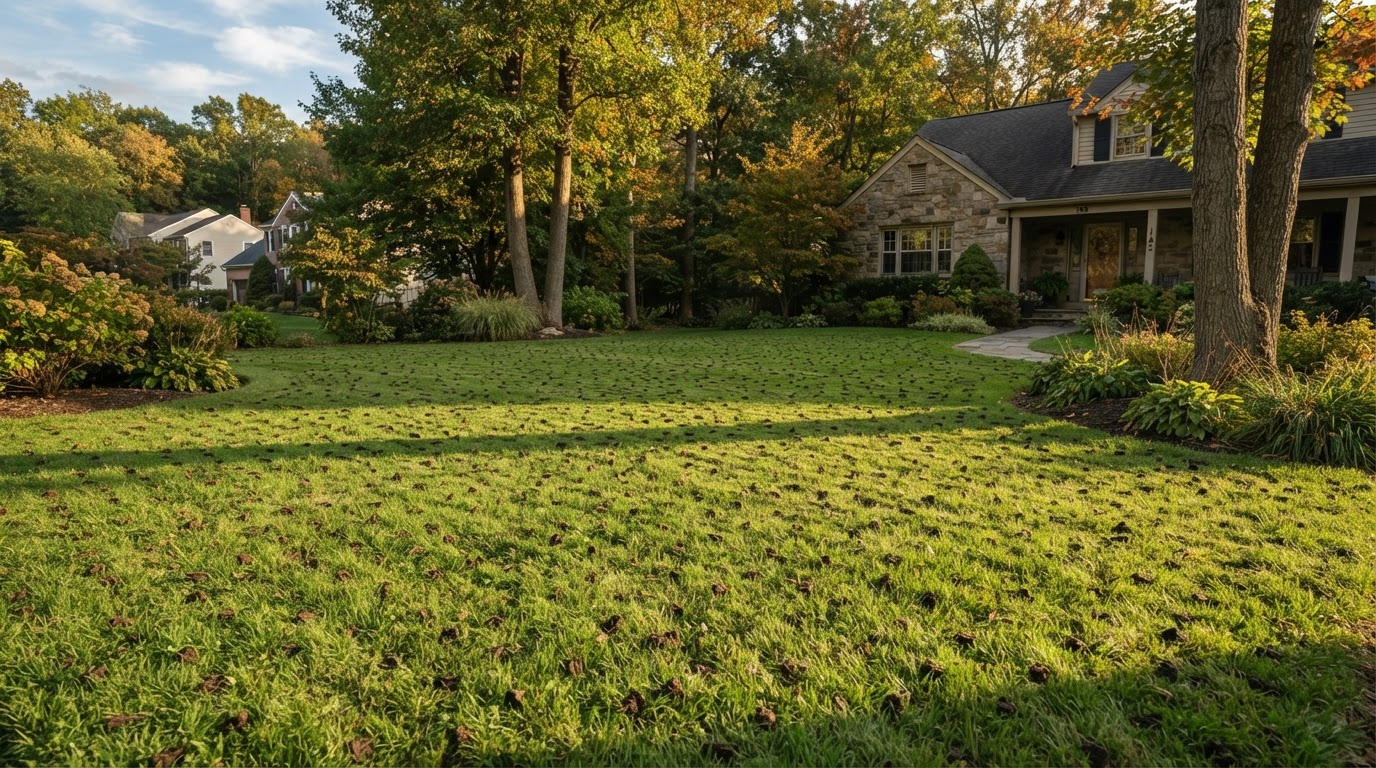
A Complete Guide to Overseeding Your Lawn in Eastern Pennsylvania
Learn when to overseed your Pennsylvania lawn, why fall timing matters, and how aeration and quality seed can help build thicker turf.
Read Article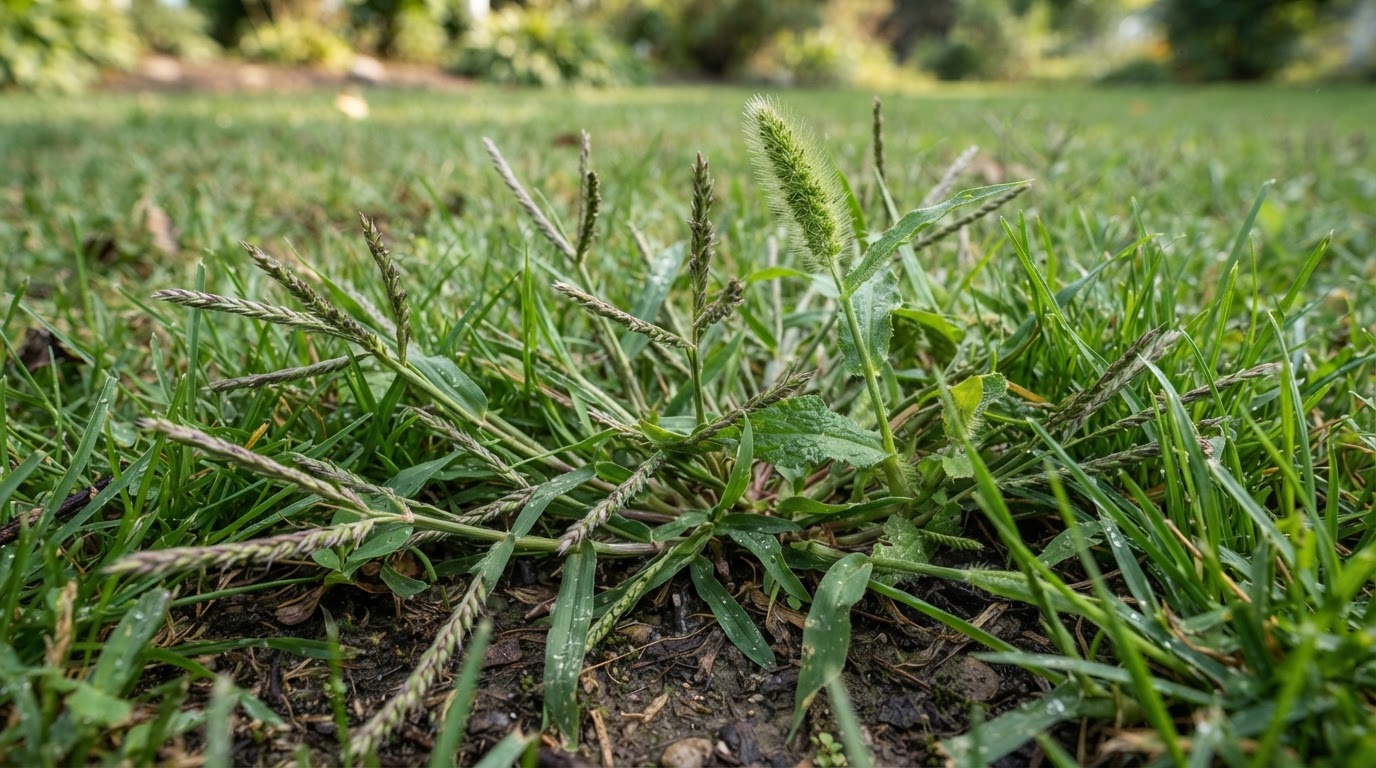
Should You Spray Crabgrass and Foxtail Before Aeration and Seeding?
Late-summer crabgrass and foxtail can leave bare spots. Learn why spraying before aeration and seeding may help Eastern PA lawns recover.
Read Article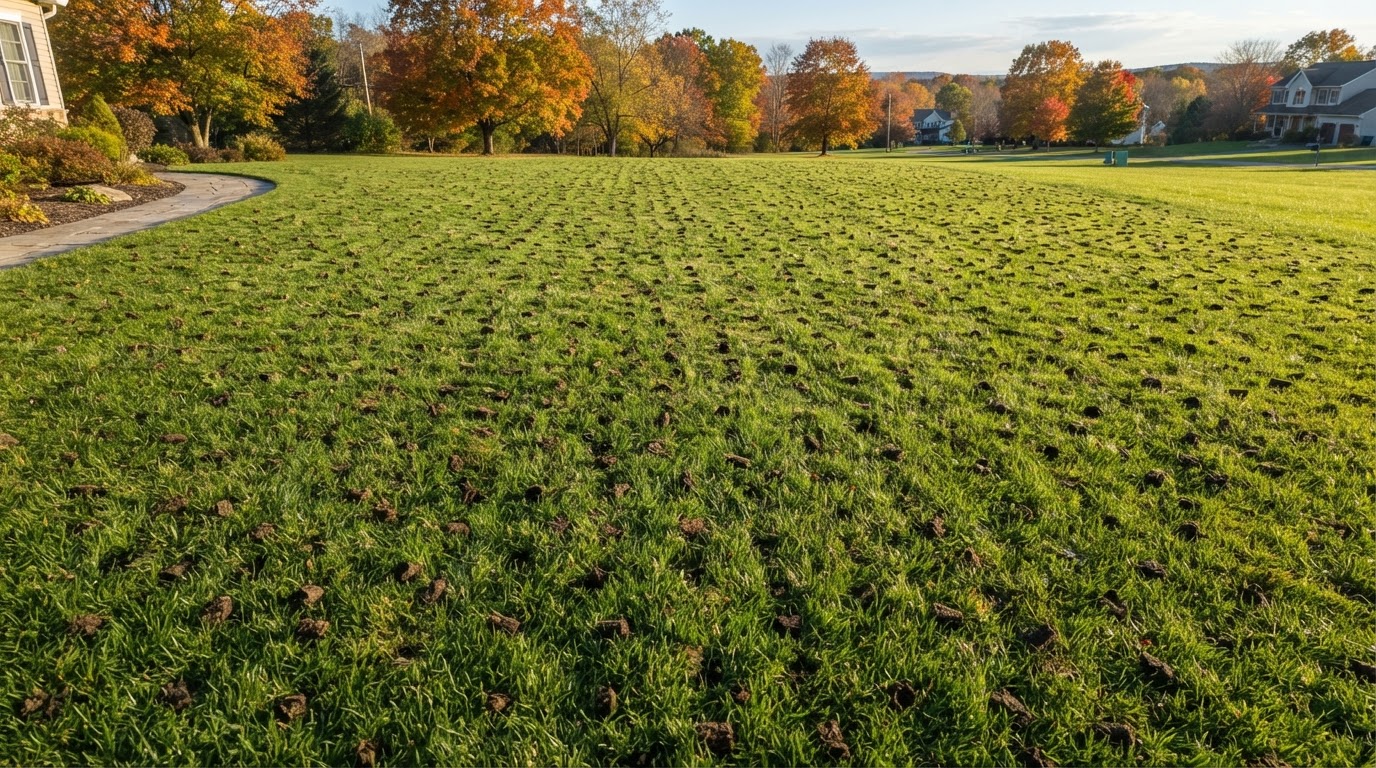
How Many Years of Aeration and Overseeding Does It Take to Transform a Lawn?
How often should you aerate and overseed? See why some Pennsylvania lawns improve dramatically after several fall seasons of aeration and seeding.
Read ArticleGolden Green Lawn Care Services