Finally, Some Relief From Yellow Nutsedge: Why September Is Good News for Pennsylvania Lawns
If you are particular about your lawn, there are few weeds more frustrating to look at in the middle of summer than yellow nutsedge.
I know because I've been looking at it in lawns for years.
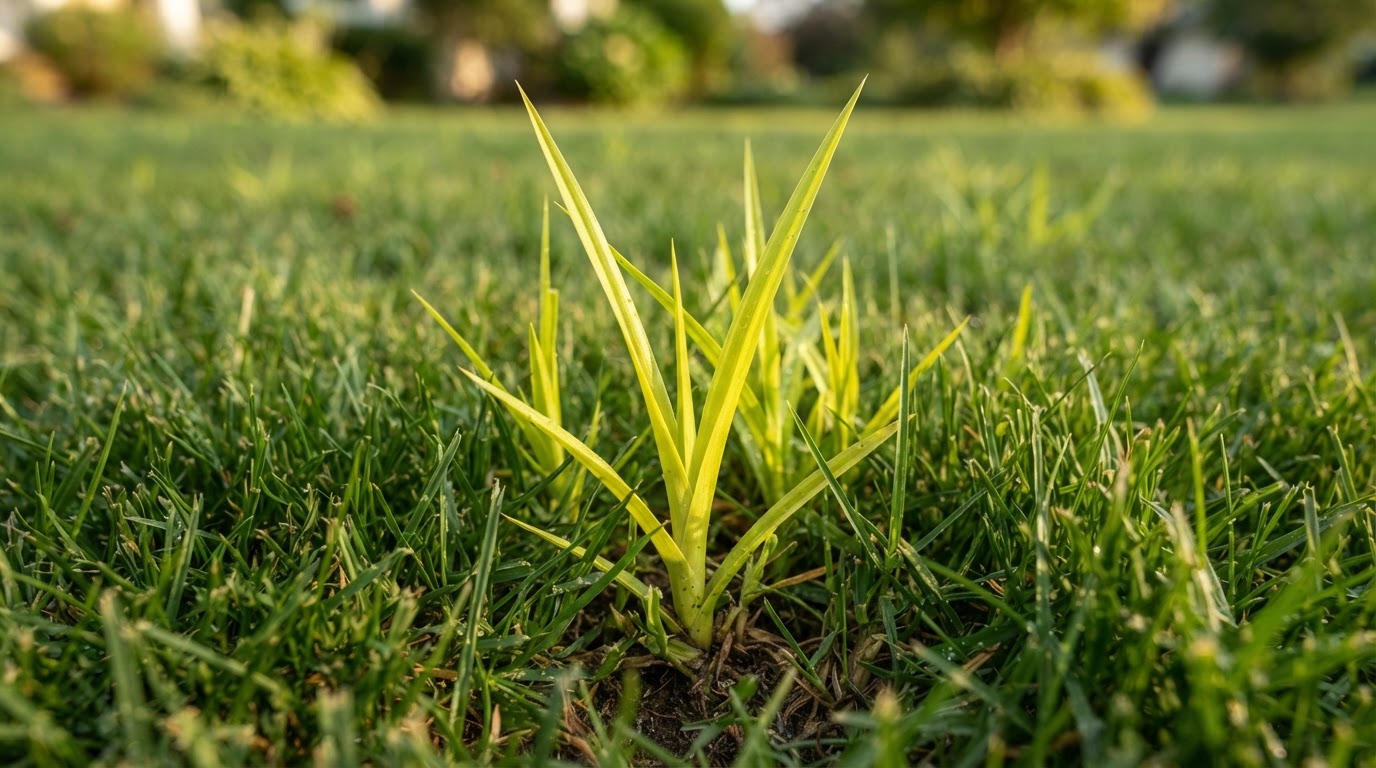
You mow a beautiful lawn. Everything looks even. Then a few days later, these bright yellow-green shoots are sticking above the Kentucky bluegrass, turf-type tall fescue, or perennial ryegrass.
You mow again.
And there it is again.
For homeowners who really care about how their lawn looks, yellow nutsedge can drive you crazy.
But when September arrives in Eastern Pennsylvania, I always feel a little bit of relief.
Yellow nutsedge season is finally beginning to wind down. And if you've spent July and August fighting it, you are not alone — seeing it return does not necessarily mean your lawn-care program failed.
Why Yellow Nutsedge Is So Annoying
Yellow nutsedge isn't actually a grass, even though homeowners frequently mistake it for one. It's a sedge. And once you've learned to recognize it, it becomes difficult not to see it.
Yellow nutsedge has a lighter yellow-green appearance than most of the cool-season grasses we grow here in Pennsylvania. It also grows quickly, often sticking above the surrounding lawn between mowings.
Penn State Extension describes yellow nutsedge as an aggressive perennial weed that spreads through underground stems and tubers. Its yellow color, coarse texture, and rapid growth are among the reasons it stands out so much in cool-season turf. That's exactly what I've seen in the field.
Sometimes the biggest problem isn't catastrophic damage to the lawn. It's how bad the stuff looks. A homeowner can have an otherwise beautiful property, and those scattered yellow-green shoots immediately catch your eye. If you're anything like me, once you see one, you start seeing every single one.
July and August Can Be Frustrating
This is the part of yellow nutsedge management that I think homeowners don't hear enough about. Sometimes lawn-care companies make weed control sound incredibly simple: We spray it. It dies. Problem solved.
Yellow nutsedge isn't always that neat. It grows from underground structures called tubers — often referred to as “nutlets” — and those underground structures are a major reason established yellow nutsedge can be persistent from one season to another.
Penn State notes that yellow nutsedge is commonly introduced through soil contaminated with tubers and rhizomes, and that these underground structures can produce new plants. So when someone tells me, “But we treated the nutsedge last year. Why am I seeing it again?” I'm not surprised. That's yellow nutsedge.
Yes, Yellow Nutsedge Can Be Controlled
I don't want to make this sound hopeless, because it isn't. There are very good products available for yellow nutsedge. One that many lawn-care professionals and homeowners know is SedgeHammer, which contains halosulfuron-methyl.
Penn State lists halosulfuron products such as SedgeHammer among herbicides labeled for yellow nutsedge control in cool-season turf. It works systemically, meaning the active ingredient moves within the plant rather than merely burning off the foliage. In fact, Penn State describes halosulfuron as able to translocate into the rhizomes and tubers and ultimately kill the entire treated plant.
But here's something I've learned over the years: Timing matters. Penn State recommends treating yellow nutsedge when foliage is visible in the turf canopy — approximately the 3-to-8-leaf stage — and before its tubers begin maturing during mid-to-late summer. They also note that SedgeHammer works relatively slowly; visible injury may take around a week, with complete drying taking considerably longer.
That's important because homeowners sometimes spray something and expect, “Tomorrow it will be gone.” That's not necessarily how nutsedge products work. And depending upon the infestation, follow-up treatment may be needed. Always follow the actual pesticide label regarding rates, timing, repeat applications, and turfgrass restrictions.
Why September Makes Me Smile
After spending the summer looking at yellow nutsedge, September is one of my favorite transitions in Pennsylvania lawn care. The days begin getting shorter. The brutal summer conditions start easing. Our cool-season turf begins moving toward one of its best growing periods of the year. And that aggressive summer flush of yellow nutsedge starts becoming less of the visual nuisance we've been staring at during the warmer part of the season.
That doesn't mean the underground tubers magically disappeared. Seeing less yellow nutsedge above ground isn't the same thing as eradicating an established infestation. But cosmetically? It's a welcome change.
For the homeowner who has been staring at those bright shoots all summer, sometimes it's nice simply to know: We're getting toward the end of nutsedge season.
Something I've Learned: Don't Promise Perfection
There are plenty of lawn problems where I feel extremely confident telling a homeowner, “Follow the program. Give us time. We can make a tremendous difference.” Yellow nutsedge makes me more cautious.
I've been around lawn care too long to tell someone with an established nutsedge problem, “We'll spray this once and you'll never see another piece of nutsedge.” I don't think that's a fair expectation.
A properly timed treatment can provide excellent control of the plants that are actively growing. Penn State even reports excellent results from several labeled herbicides under appropriate conditions. But an established population can involve underground tubers capable of producing additional plants. That's why I prefer to think about yellow nutsedge as something we manage intelligently and keep pushing backward, rather than making unrealistic promises about what someone's lawn will look like forever after one application.
Should You Pull Yellow Nutsedge?
This one needs some nuance. You've probably heard: “Never pull nutsedge!” There is some truth behind the concern, but it's not an absolute rule.
Penn State says that when only a few plants are present, they can actually be hand-pulled soon after emergence and before tubers develop, as long as you remove as much of the underground portion as possible. Broken rhizomes can produce additional plants, so thorough removal matters.
Once you have an established infestation, however, walking around repeatedly snapping off the tops isn't my preferred strategy. What you see above ground isn't necessarily the entire problem. That's why I'd rather correctly identify the weed and develop an appropriate management plan.
A Better Lawn Still Helps
Another thing I believe strongly after years in lawn care is that weed control shouldn't happen in isolation. Penn State recommends improving turf density through proper fertility, regular mowing, and grasses adapted to the site. They caution that these practices alone may not suppress an already established yellow nutsedge infestation, but stronger turf can help slow its spread.
That's an important distinction: thick grass isn't a magic nutsedge herbicide. But I'd still rather manage nutsedge in a thick, properly maintained lawn than a thin lawn full of openings.
For our cool-season lawns here in Eastern Pennsylvania, that means paying attention to the entire lawn:
- proper mowing
- appropriate fertilization
- soil conditions
- aeration where appropriate
- good grass varieties
- fall overseeding where the lawn needs additional density
I've always liked lawns maintained around 3 to 3½ inches rather than scalped short. The exact appropriate mowing height depends on the turfgrass and conditions, but maintaining healthy turf is part of the bigger picture. Yellow nutsedge particularly favors moist or poorly drained areas, although Penn State notes it can persist in sun or moderate shade — so drainage is worth paying attention to as well.
And About Those “Nutlets”...
Here's one of the most important things to understand about yellow nutsedge: the real story is underground.
People sometimes focus on preventing the seed heads from spreading seed around the yard. Yellow nutsedge can produce seed, but the underground tubers are far more important to its persistence. That's why simply keeping it mowed so you don't see seed heads isn't going to solve an established nutsedge problem.
Those underground structures are what make this weed different from many of the annual weeds homeowners encounter.
My Advice After Years of Seeing It
If I walked onto a Pennsylvania lawn with a yellow nutsedge problem, I wouldn't panic. I'd identify it correctly. I'd look at how extensive the infestation is. I'd consider whether the soil conditions are contributing to the problem — yellow nutsedge particularly favors moist or poorly drained areas.
If treatment is appropriate, I'd use a product labeled for yellow nutsedge and apply it at the proper stage and according to the label. Then I'd keep working on the lawn. And if some nutsedge returns the following season? We deal with it again. That's lawn care. Some problems are solved quickly. Others are improved through persistence.
If Yellow Nutsedge Has Been Driving You Crazy This Summer...
Take heart. September is here. Here in the Lehigh Valley and Eastern Pennsylvania, we're transitioning away from the part of the season when yellow nutsedge is most conspicuous and toward an incredibly valuable period for cool-season turf.
Instead of spending September obsessing over every last yellow-green shoot, I'd start thinking about the lawn you want next year:
- Does it need aeration?
- Does it need overseeding?
- Are there thin areas?
- Is drainage contributing to the nutsedge problem?
- Could the turf stand itself be improved?
Those are questions worth asking. Because the objective isn't merely to kill weeds. It's to keep building a better lawn. And after staring at yellow nutsedge all summer, I'm perfectly happy to say: Goodbye, nutsedge. We'll see what you have to say next year.
— Golden Green Lawn Care
Your Lawn's Best Friend
Helpful lawn care advice for Pennsylvania homeowners
If this guide helped you, add Golden Green as a Preferred Source on Google to see more of our lawn care guides in Google Search and AI experiences.
Related Articles
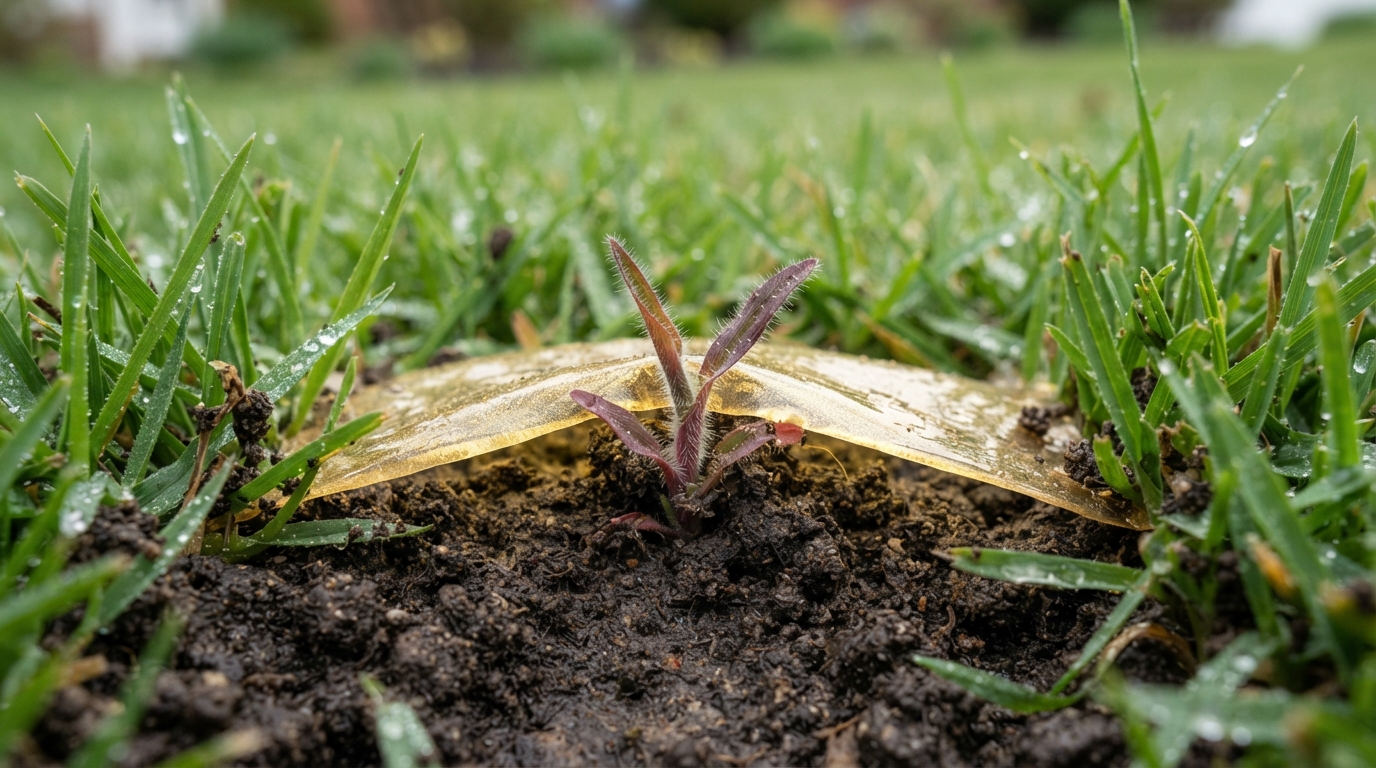
Crabgrass Already Came Up? Here's What to Do Next in Pennsylvania Lawns
Crabgrass already visible in your lawn? Learn the best postemergence control strategy for Pennsylvania lawns and what really works after germination.
Read Article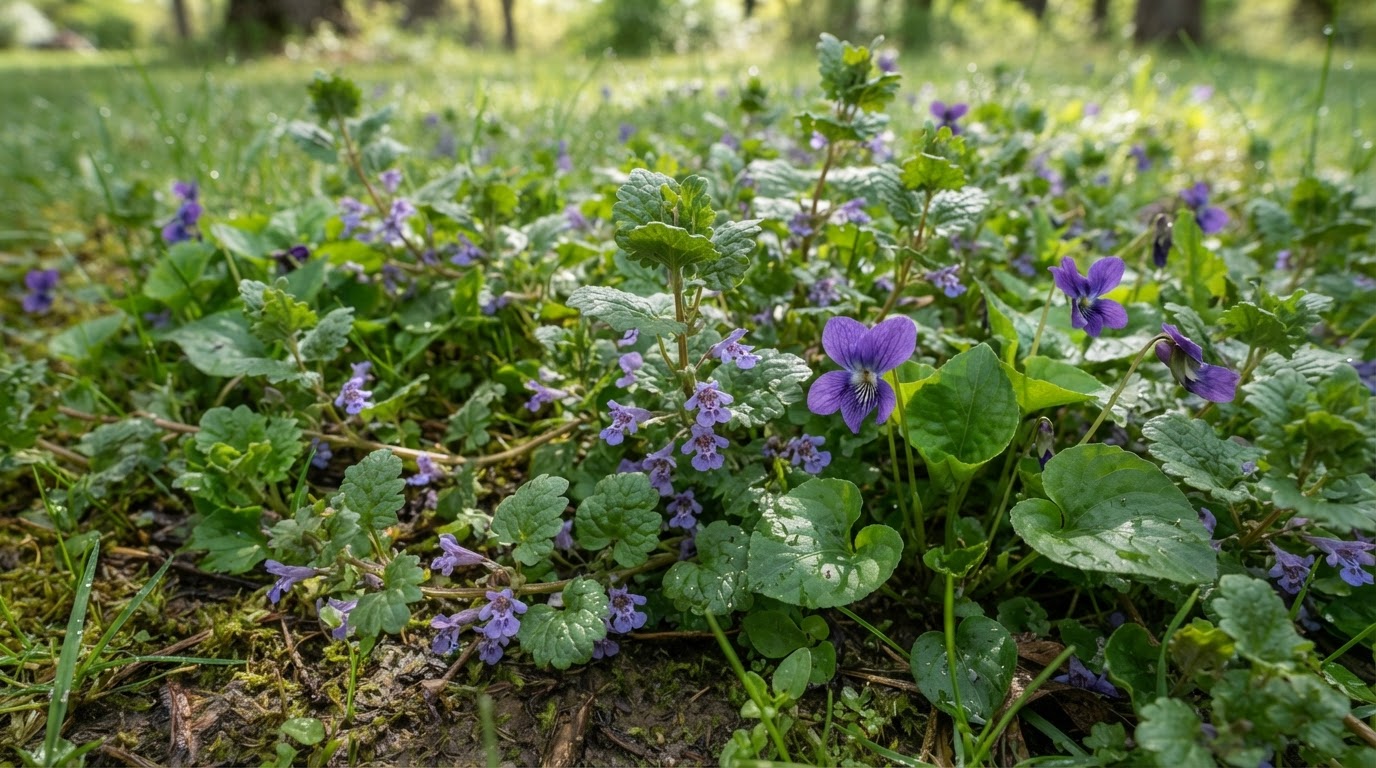
How to Get Rid of Creeping Charlie, Ground Ivy, and Wild Violets: It's All About Timing
Creeping Charlie and Wild Violets are some of the toughest weeds in Pennsylvania lawns. Learn why timing, surfactants, and specialized herbicides make all the difference.
Read Article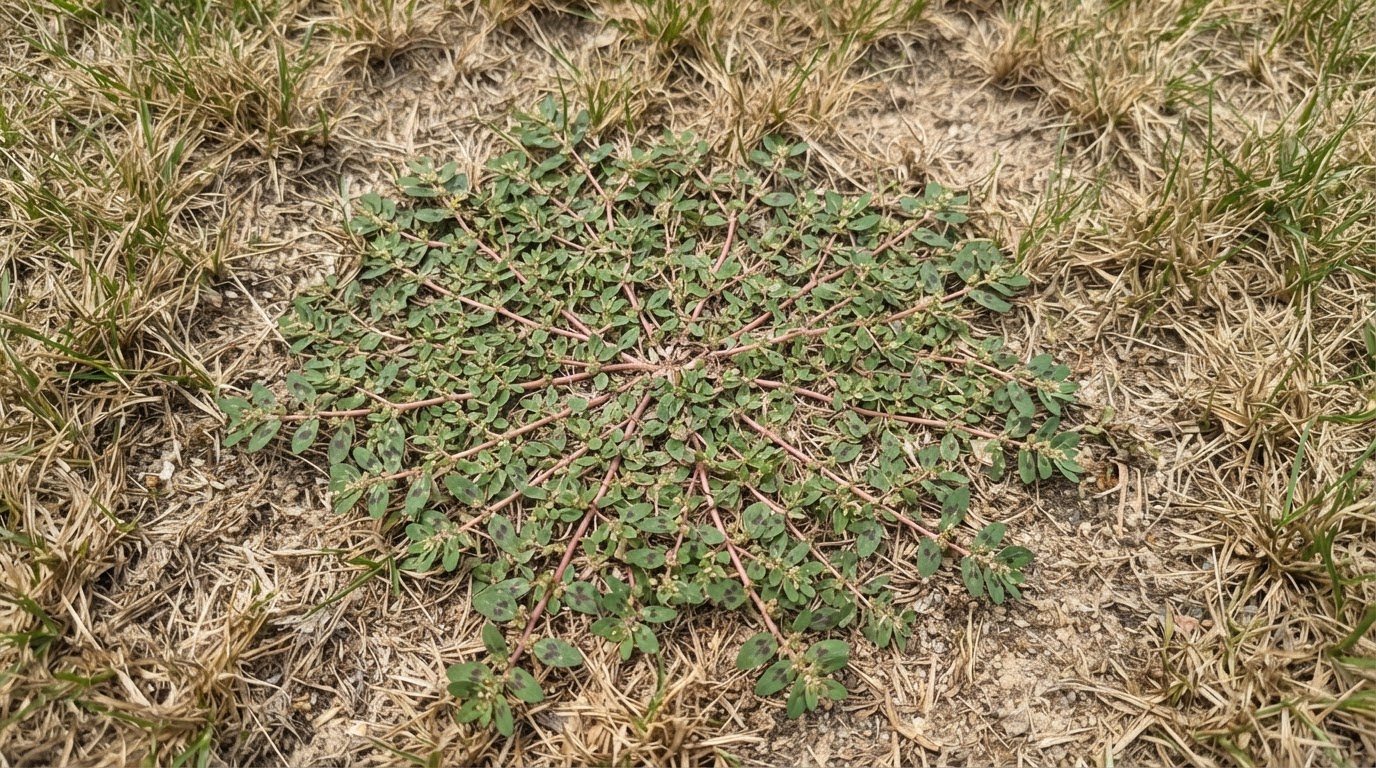
What Is Spotted Spurge, and How Do You Control It in Pennsylvania Lawns?
Learn how to identify spotted spurge in Pennsylvania lawns, why it shows up, and how Golden Green helps prevent and control it.
Read ArticleGolden Green Lawn Care Services
Let Golden Green Take a Look
If you think you may have yellow nutsedge in your lawn, start simple. Send us a photo through Picture Your Weed, We'll Spray It for Free, or ask us for a lawn evaluation. We'll help you figure out what is going on and what the lawn actually needs.
Golden Green — Your Lawn's Best Friend.