How to Repair Grass Damaged by Insects in Pennsylvania
When the rest of your lawn greens up this September but certain patches stay brown or thin, insect damage is one possible explanation. Learn how to confirm the cause, stop active feeding, and rebuild damaged turf before the seeding window closes.
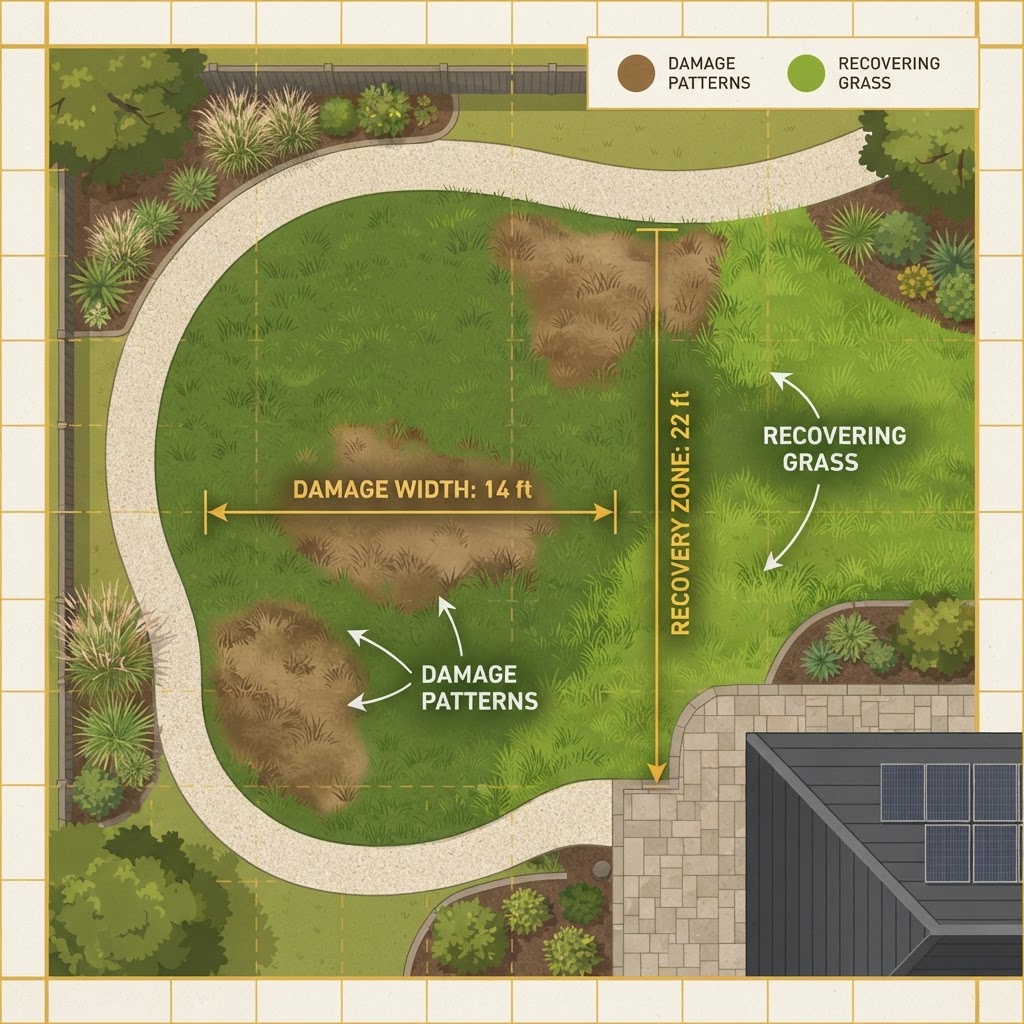
Brown Patch
Not recovering
Greening
Surrounding turf
The September clue: everything greens up except those patches. That contrast is a reason to investigate.
How Do You Repair Grass Damaged by Insects?
- 1
Confirm the cause
Inspect the grass, roots, and soil before blaming insects. Disease, compaction, drought, and pet damage can all mimic insect injury.
- 2
Identify the pest and stop active damage
A confirmed, damaging infestation may need an appropriate curative treatment matched to the insect and its stage of development.
- 3
Prepare the damaged areas
Remove loose dead material and expose soil so seed can make contact. Large areas may need heavy mat removal or topsoil.
- 4
Aerate and overseed where appropriate
Core aeration relieves compaction; overseeding adds grass where the lawn has thinned. Severely damaged spots may need extra prep.
- 5
Support recovery
Water correctly, keep mowing established grass as it grows, and coordinate fertilization with your seeding plan.
- 6
Plan follow-up and prevention
Severe damage may take more than one growing season to rebuild. Discuss preventative grub control for next year.
Surviving grass may recover with good care. Dead grass needs replacement.
Grubs, Chinch Bugs, and Sod Webworms Damage Grass Differently
The repair plan depends on which part of the plant was damaged and whether the pest is still active. Surface-insect injury from earlier in summer can remain visible after the insects are gone — a brown patch does not automatically need an insecticide today.
White Grubs
Turf feels loose or lifts away from soil because roots no longer hold it securely.
Visible damage common in September and October.
Penn State Extension: White Grubs in Home Lawns ↗Chinch Bugs
Injury resembles drought stress — patches wilt and brown despite adequate moisture.
Active during hot, dry summer stretches.
Sod Webworms
Thinning or damaged areas where larvae have fed on grass blades and shoots.
Surface-insect injury from summer can remain visible after pests are gone.
If the crowns — the plants' growing points — and enough roots remain healthy, some grass may recover. If the plants have died, fertilizer and water will not bring them back.
How We Check a Lawn Before Recommending Treatment
Before choosing a treatment, Golden Green wants to know what is actually happening underneath. The pattern alone does not establish the cause — disease, compacted soil, uneven watering, shallow soil, pet damage, and other problems can also leave patches that fail to recover.
Check Where Brown Grass Meets Green Grass
For suspected grub damage, inspect the edge of the affected area where damaged turf meets healthier grass. Lift a small section with a shovel or hand trowel and examine the roots and soil beneath. Check several locations — finding one grub does not automatically explain a large dead patch. University of Maryland Extension: Diagnose Lawn Problems
Questions we ask before recommending any treatment:
- When did the damage first appear?
- Is it spreading now?
- Does the turf pull up easily?
- Are live insects present?
- Are roots missing or unusually weak?
- Did the area receive enough water?
- Is the damage in sunny, hot areas or shaded areas?
- Are animals digging?
- Has there been recent seeding, soil work, disease, or mower damage?
If you discover grubs while preparing to seed, our article on grubs found during lawn aeration explains why that discovery deserves attention.
Grub control servicesStop Active Feeding, Then Rebuild the Lawn
If insects are still causing damage, the recovery plan needs to address them. If the damage is old and no damaging population remains, an insecticide will not repair it — that lawn needs a recovery plan.
Prepare the Soil Before You Add Seed
One of the easiest ways to waste seed is to scatter it over a thick mat of dead grass. Seed needs contact with soil. For small areas, rake away loose dead material and lightly loosen the surface. Larger areas may need heavy mat removal, thatch management, or suitable topsoil where soil is actually missing.
Do not assume one aeration and seeding visit can correct every severely damaged area without additional preparation.
Watch Repaired Topsoil Spots for Yellow Nutsedge
Spots filled with fresh topsoil can later become noticeable patches of yellow nutsedge. That does not mean every load of topsoil contains nutsedge — it means those repaired areas deserve attention. Contaminated soil can carry tubers, and disturbed areas that receive moisture with less grass competition favor nutsedge already present. Purdue Extension identifies movement of topsoil or fill dirt as a way nutsedge tubers spread.
Our guide to yellow nutsedge in Pennsylvania lawns →Aerate & Overseed
Core aeration relieves compaction; overseeding adds grass where the lawn has thinned.
Water Differently
Established grass needs moisture in its root zone; new seed needs a consistently moist seedbed, then gradual deeper watering.
Keep Mowing
Mow established grass at a suitable height. Let new seedlings root firmly before their first mowing.
Coordinate Fertilizer
A suitable starter fertilizer may help, but do not stack it on a scheduled application without coordinating the two.
Need help deciding how much repair your lawn requires?
Get My Lawn Repair QuoteBy September 22, some Eastern Pennsylvania sites may still have workable conditions, but there is less time for seedlings to establish before winter. Have the lawn assessed promptly. Core aeration and overseeding services help rebuild turf density. Late summer is the preferred seeding period — Penn State Extension: Lawn Establishment.
Make Prevention Part of Next Year's Plan
Repairing severe grub damage can involve treatment, labor, soil preparation, seed, fertilizer, and weeks of watering. Preventing damaging infestations can cost far less than rebuilding a badly damaged lawn. For a lawn with confirmed grub injury, we strongly recommend discussing preventative grub control for the following season — properly timed and matched to the lawn's risk.
Severe Grub Damage May Need More Than One Fall
You can prepare and seed correctly in September and still see thin areas when snow melts in March or April. Do not assume a thin patch next spring means the entire repair failed — have it reassessed. For extensive damage, we often recommend planning for a second fall visit from the beginning.
Fertilization & Weed Control + Preventative Grub Control
Two free flea and tick applications
Enroll in the six-step fertilization and weed control program, then add preventative grub control, and receive two free flea and tick applications.
Those applications can also provide control of surface insects such as chinch bugs and sod webworms when the product used is labeled for those pests and applied at the appropriate timing and rate. Surface-insect coverage and grub prevention address different pests — one does not replace the other.
Explore the two free applications offer →Fertilization & Weed Control + Aeration and Seeding
Unlimited seeding services as needed during the season
Customers who enroll in the six-step fertilization and weed control program plus aeration and seeding receive Sunny Seed Promise: unlimited seeding services as needed during the lawn care season.
If areas need additional seeding, we assess the lawn and coordinate the work with suitable growing conditions. That ongoing support matters when rebuilding turf after serious insect damage.
Read the Golden Guarantee →Sunny Seed Promise is our specific seeding benefit. The broader Golden Guarantee reflects the commitment behind Golden Green's service.
Insect Lawn Damage Questions
Let's Find Out What Your Lawn Needs
If the rest of your lawn is greening up while certain patches remain brown or thin, now is a good time to investigate. Golden Green helps homeowners across the Lehigh Valley and surrounding Eastern Pennsylvania communities identify the problem, stop active damage when needed, and build a practical repair plan.
Get My Lawn Repair QuoteGolden Green Lawn Care — Your Lawn's Best Friend.
Related Articles
How Long Does Lawn Care Take to Work in Pennsylvania?
Learn what affects lawn-care results in Pennsylvania, how treatment response differs from rebuilding thin turf, and when to ask for a reassessment.
Read Article
What Does "Your Lawn’s Best Friend" Mean?
Discover what Golden Green’s "Your Lawn’s Best Friend" promise means: clear estimates, thoughtful lawn care, practical guidance, and accountable service.
Read Article
Fertilizer Burn or Lawn Disease? What Damaged Your PA Lawn?
Brown patches after lawn treatment? Learn what may suggest fertilizer injury or disease, what records matter, and how to investigate before treating again.
Read ArticleGolden Green Lawn Care Services